Portugal · 11 MIN READ
Things to do in Lisbon, Portugal: Neighbourhood guide & 1–4 day plans
A neighbourhood-led guide to Lisbon: top sights, time estimates, sample 1–4 day itineraries, transport and budgeting tips for first-time visitors.
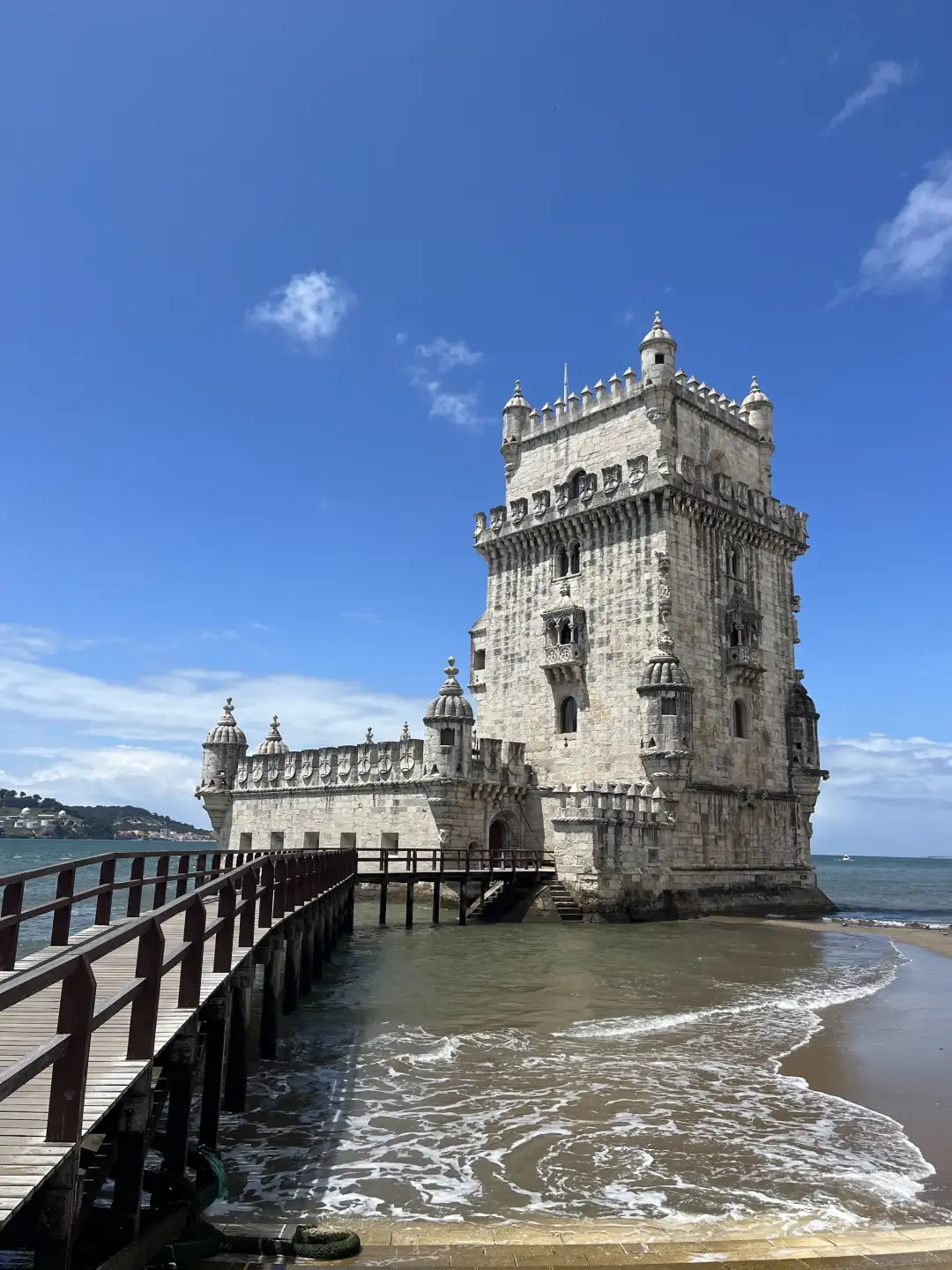
Start here: the short answer on things to do in Lisbon, Portugal. Prioritise these if you have one day: São Jorge Castle, a walk through Alfama finishing at Miradouro de Santa Luzia, a tram ride through Baixa and Chiado, and an afternoon in Belém to see Jerónimos Monastery and Belém Tower. Add a half-day to visit the Lisbon Oceanarium or the MAAT, and save a full day for Sintra.
This guide is organised by neighbourhood, with realistic time budgets, booking and transport notes, plus sample 1–4 day itineraries. Read the itineraries first if you want a quick plan; use the neighbourhood sections to swap things in or out. Check opening days before you go: many museums close on Mondays.
What are the top things to do in Lisbon, Portugal, and how long do they take?
Below are the main sights and a realistic duration to allow for lines and local travel. Times are approximate.
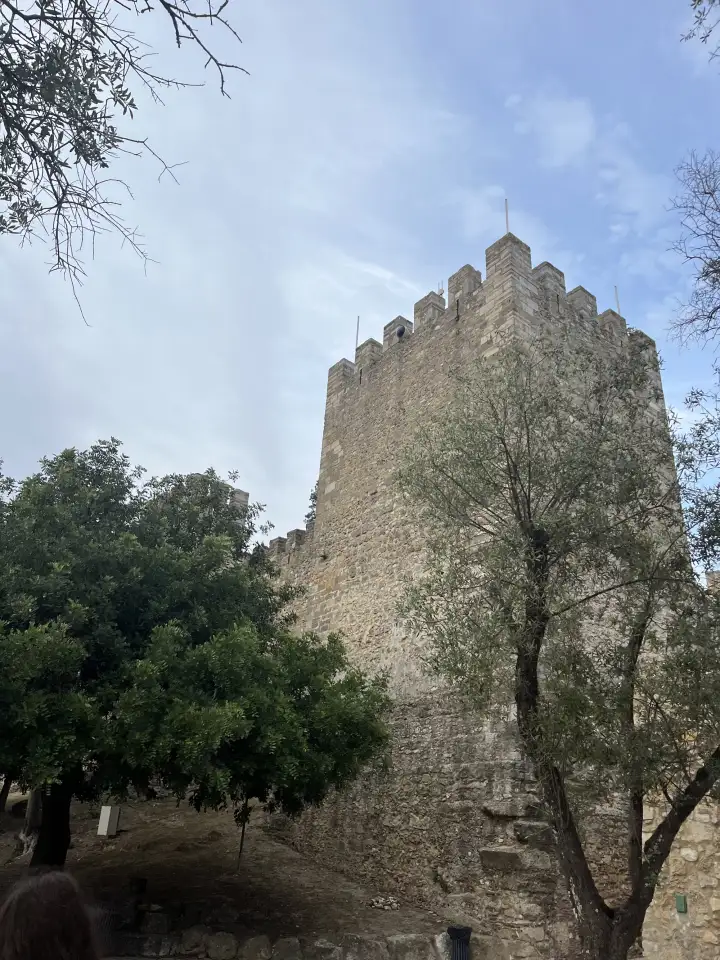
- São Jorge Castle, Alfama: 1 to 1.5 hours to walk the walls and lookouts, add time to explore the archaeological museum.
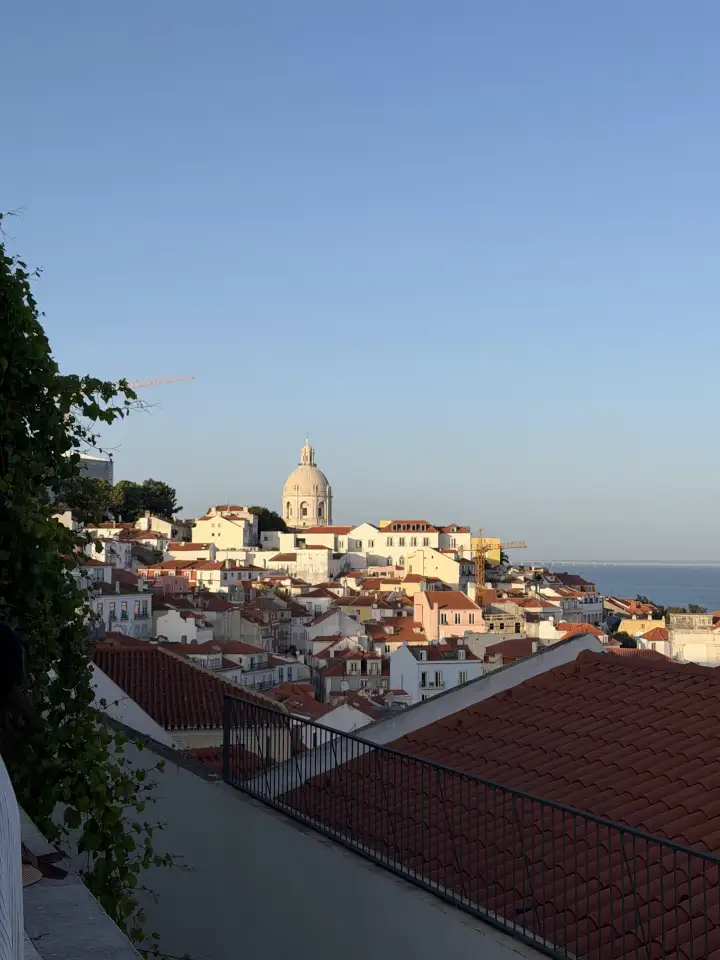
- Alfama wandering and Miradouros (Miradouro de Santa Luzia, Miradouro da Senhora do Monte): 1.5 to 3 hours depending on how many alleys and viewpoints you visit.
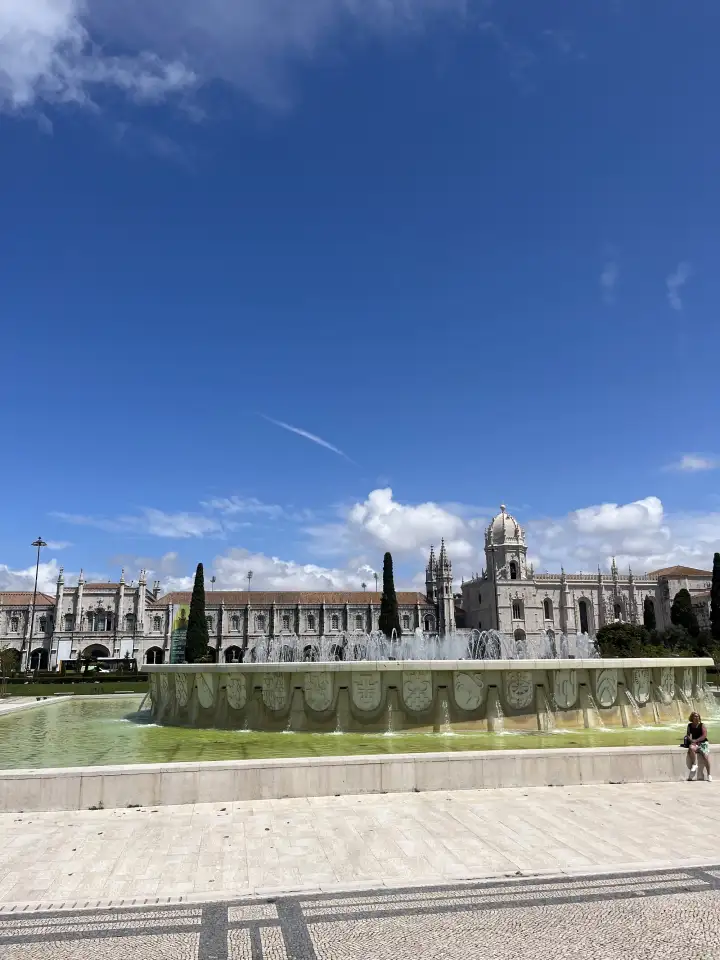
- Jerónimos Monastery, Belém: 1 to 1.5 hours. Book timed tickets for weekends and high season.
- Belém Tower: 45 to 60 minutes, shorter if you only photograph from outside.
- Lisbon Cathedral (Sé de Lisboa): 30 to 45 minutes.
- Tram 28 ride: allow 30 to 45 minutes for the ride, more if you hop on and off. Expect crowds and pickpocket risk.
- Elevador de Santa Justa viewpoint: 20 to 40 minutes, queues vary.
- MAAT (Museum of Art, Architecture and Technology): 1 to 1.5 hours.
- Calouste Gulbenkian Museum: 1.5 to 2 hours.
- Lisbon Oceanarium: 1.5 to 2 hours, family-friendly and wheel-friendly.
- National Tile Museum (Museu Nacional do Azulejo): 1 to 1.5 hours.
- Time Out Market (Mercado da Ribeira): 1 hour for food, longer for a multi-course meal.
Which neighbourhoods should I prioritise and what order works best?
Alfama: Start high on the hill near São Jorge Castle, then walk down to Miradouro de Santa Luzia and the river. Alfama is the oldest quarter, steep and cobbled; wear good shoes and expect narrow alleys. Fado houses are concentrated here, so book ahead for an evening.
Baixa and Chiado: This is flat, neoclassical central Lisbon. Walk from Praça do Comércio up Rua Augusta to the Elevador de Santa Justa and to Chiado for cafés and shops. Good for a mid-morning stroll, pastries and people-watching.
Bairro Alto: Best late afternoon and evening. Small restaurants and bars open late, and Miradouro de São Pedro de Alcântara has a clear city view.
Belém: Allow half a day. It’s outward from central Lisbon, so combine Jerónimos Monastery, Belém Tower and the pastéis de nata bakery Pastéis de Belém in one visit.
Alcântara and LX Factory: Creative district, food and galleries. Good for a late afternoon, and the riverside walk to MAAT is pleasant.
Practical routing tip: group Belém on the same day as LX Factory if you have transport, or combine Alfama and Baixa/Chiado on a single walking morning and Bairro Alto for the evening.
How to get around: tickets, passes and simple hacks
Public transport is cheap compared with many Western cities, but Lisbon’s hills mean short taxi rides are often quicker and cheaper than you think, especially late at night or for wheelchair users. Buy a rechargeable transport card (Viva Viagem or similar) at metro stations for multiple trips. Tourist passes such as the Lisboa Card include free public transport and museum entry for 24/48/72 hours, which can save money if you plan to visit many paid sites.
Tram 28 is iconic, but it is packed during tourist season and attractive to pickpockets. If you want photos from the tram, board early or at one of the less crowded stops and keep your bag in front. For shorter journeys use the metro for speed, and regional trains from Rossio or Cais do Sodré for Sintra and Cascais.
Flight time from North America: from the east coast expect roughly 7 to 9 hours nonstop when available, from the west coast allow 10 to 13 hours usually with one stop. Flight prices vary a lot by season; check for direct services to Humberto Delgado Airport or connections via Madrid, Lisbon’s main airport.
Best things to do in Lisbon Portugal: museums, food and local experiences
- Museums: Jerónimos Monastery, MAAT, Calouste Gulbenkian Museum, Museu Nacional do Azulejo. Many close Mondays; check opening times and book big-ticket exhibitions in advance.
- Food: try pastéis de nata at Pastéis de Belém or Manteigaria, a bifana sandwich from a neighbourhood tasca, grilled fish with local salads, and petiscos (Portuguese tapas). Time Out Market is handy for groups with mixed tastes.
- Workshops and local experiences: azulejo tile workshops (half a day), canned fish tastings and short port/fortified wine tastings in Alfama. Look for family-run ateliers in Intendente and Mouraria for smaller classes.
- Street art and markets: explore the street art route around Marvila and Intendente; Feira da Ladra flea market in Alfama runs on Tuesdays and Saturdays and is worth an hour.
For neighbourhood-by-neighbourhood restaurant picks, tascas and sample crawls, see my Lisbon restaurant neighbourhood guide.
Day trips from Lisbon: which is best for your time and energy?
- Sintra: best for a full day. Trains run from Rossio station, journey about 40 minutes. Prioritise Quinta da Regaleira and Pena Palace. Book Pena Palace timed tickets in advance to avoid long lines.
- Cascais and Estoril: half to full day. Fast suburban trains from Cais do Sodré; 30 to 40 minutes. Good beaches and seaside restaurants in summer.
- Évora and the Alentejo: a longer day trip by car or organised tour, roughly 1.5 hours each way. For a quieter, slower landscape and Roman ruins.
If you have extra days, my shortlist of the best places to go in Portugal shows travel times and day-trip ideas beyond Lisbon.
Porto is better as a weekend or 2-4 day break, see the 2-4 day Porto guide for pacing, port cellars and a Douro day-trip option.
For straightforward beach day trips from Lisbon, see my practical guide to Portugal’s best beaches for access, parking and tide safety to pick the right coast: Best beaches in Portugal.
If you’re weighing longer day trips from Lisbon, see this 1-2 day walking plan for Coimbra, a compact route covering the university, Sé Velha and local cafés.
If you’re weighing short coastal escapes from Lisbon, my Cascais day-trip and itinerary guide covers beaches, viewpoints and sensible 1 to 4 day plans.
If you’re planning more than a day trip from Lisbon, consult Portugal itineraries, budgets and where to stay for multi-day routes, transport tips and realistic daily budgets.
Accessibility and family-friendly advice
Lisbon’s hills and cobbled streets are the main barrier. Many museums have lifts and accessible routes, but historic sites such as São Jorge Castle have steep ramps and uneven surfaces. The Lisbon Oceanarium is well set up for strollers and wheelchairs. Families should plan for slow mornings, rest stops at cafés with toilets, and pack water and sunscreen for summer.
What not to do in Lisbon: tourist mistakes and etiquette
- Do not rely on Tram 28 for point-to-point transport during peak hours, expect long waits and crowded cars.
- Avoid booking tuk-tuk or unofficial tours without a clear price written down; agree the fare first to avoid overcharging.
- Don’t expect late dinners like in Spain; many restaurants start filling after 20:00 and close late at night, but lunchtime is often a good time to find quieter service.
- Don’t flash valuables on busy trams and at viewpoints. Pickpockets work crowded tourist spots; keep valuables in zipped or front-facing pockets.
Sample itineraries: realistic 1, 2, 3 and 4-day plans
1-day in Lisbon: morning: start at São Jorge Castle (allow 1.5 hours) then walk down through Alfama to Miradouro de Santa Luzia. Midday: Baixa and Chiado, lunch near Praça do Comércio. Afternoon: tram to Belém, see Jerónimos Monastery and Belém Tower, try a pastel de nata. Evening: return to Bairro Alto for dinner and views.
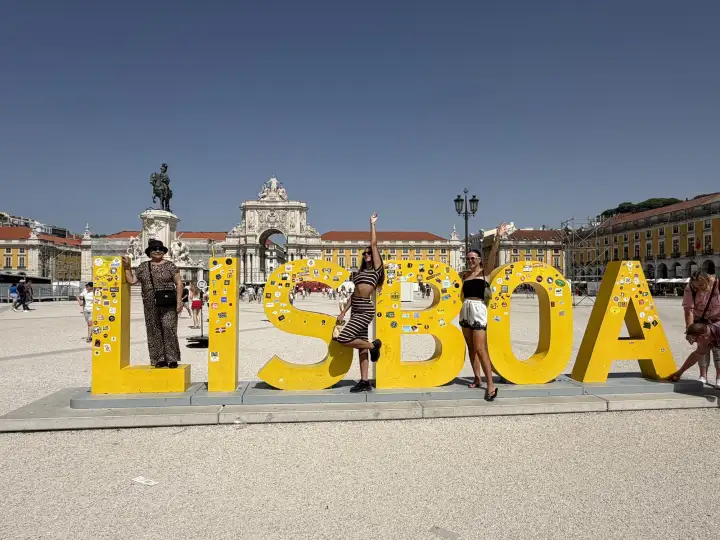
2 days: day one as above. Day two: morning at the Calouste Gulbenkian Museum or MAAT, early lunch, afternoon at LX Factory and riverside walk, evening at Time Out Market.
3 days: add a full day to Sintra. Start early from Rossio, visit Quinta da Regaleira and Pena Palace, return by evening for dinner in Chiado.
4 days: use day four for Cascais and Estoril or a slow exploration of newer districts like Parque das Nações, where the Lisbon Oceanarium sits, and the Oriente area.
If you want a more structured approach to city pacing, our sample itineraries elsewhere show how to organise 3–4 day city trips so you leave time to enjoy each place rather than rush. See /journal/hong-kong-four-day-itinerary and /journal/bangkok-three-day-itinerary for ideas on realistic daily pacing. For a week with comfortable downtime, read /journal/seven-days-in-italy.
Budget notes and ticketing (rough guidance)
Lisbon can be as budget or as comfortable as you like. Expect to pay more for sit-down restaurants in tourist centres and for timed-entry monuments in peak season. Tourist cards such as the Lisboa Card may save money if you plan museum-heavy days; otherwise a rechargeable travel card for the metro and trams is practical and cheaper for individual trips. Taxis and app rides (Uber, Bolt) are inexpensive for short transfers and worth using late at night.
Always buy timed tickets for Jerónimos Monastery, Belém Tower and Sintra’s Pena Palace during high season. Book ahead for Fado houses if you want a specific venue or dinner seating.
Safety and local tips
Lisbon is safe by European city standards, but petty theft is the main nuisance. Keep day packs zipped and close to you in crowds and on trams. When a pavements slope steeply, step aside for locals who walk quickly. Learn basic Portuguese phrases: obrigado/obrigada for thank you, por favor for please, and ola for hello. Locals appreciate polite attempts at the language.
Frequently asked questions
Is Lisbon worth seeing?
Yes. Lisbon combines accessible history, a convivial food scene and compact neighbourhoods you can comfortably explore over a long weekend.
What should I avoid doing as a tourist in Lisbon?
Avoid peak-time boarding on Tram 28 if you dislike crowds, don’t accept unofficial guided tours without a clear written price, and don’t leave bags unattended at viewpoints or markets.
What is a must buy in Lisbon?
Tiles (azulejos) and small tile plates, cork goods, canned Portuguese fish in decorative tins, and local wines such as Vinho Verde or a small bottle of Port make good purchases. Buy from established shops or market stalls with receipts.
Are museums open every day?
No. Several key museums and monuments close Mondays. Check websites and opening calendars before planning a museum day.
Can I do Lisbon on a wheelchair or with limited mobility?
Partially. Many museums and newer public spaces are accessible, but the historic quarters have steep, cobbled streets that are difficult. Plan routes carefully and use taxis for steep sections.
Plan it your way
If you have one day, concentrate on Alfama, Baixa/Chiado and an afternoon in Belém. For three days, add Sintra and a relaxed visit to LX Factory and the MAAT. If you prefer slower travel, base yourself in one neighbourhood for two nights and take half-day trips. For practical pacing and daily timing tips, see /destinations/portugal and adapt the sample itineraries above to your energy and interests.
External pages that are useful to know while planning: Belém Tower, Jerónimos Monastery, São Jorge Castle, Lisbon Cathedral, Sintra, Lisbon Oceanarium.
Enjoy Lisbon at your pace: pick fewer things and do them well, and you will come away wanting to return rather than exhausted from ticking boxes.
Explore destinations ↗Tours & experiences
Things to do in Lisbon.