Portugal · 10 MIN READ
Best places to go in Portugal: a practical shortlist
Planning a trip to Portugal? Clear, practical picks for the best places to go in Portugal with sample itineraries, transport times and budget tips.
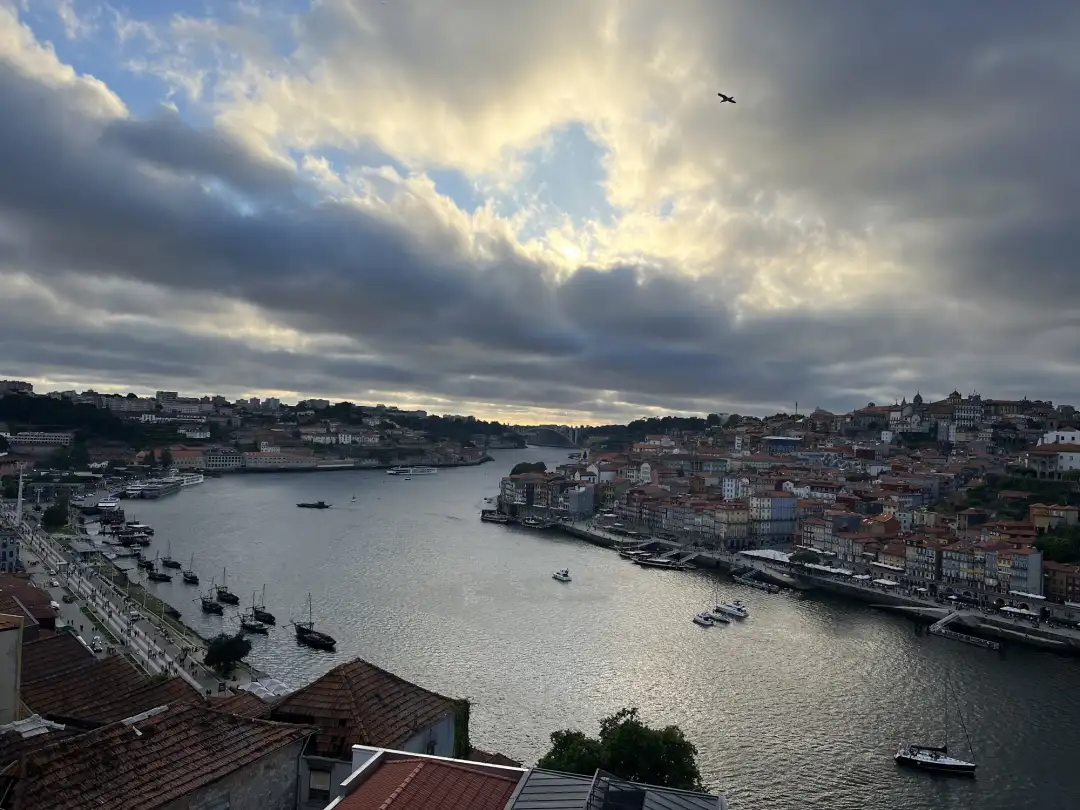
Pick the places that match the kind of trip you want, then build time around travel. For most first-timers that means: Lisbon (city + Belém), a day in Sintra, Porto (and the Port cellars in Vila Nova de Gaia), and a taste of the Algarve or the Alentejo. Add the Douro Valley or Coimbra if you have 10 days or more.
Below I group the best places to go in Portugal by trip length and theme, give realistic travel times, where to stay in the cities, sample day-by-day plans and practical money and transport tips. Use the short itineraries as templates and stretch or swap days depending on whether you want beaches, wine or history.
Which places should I prioritise on a short trip (3–4 days)?
- Lisbon: 2–3 days. Key neighbourhoods: Alfama for old-lanes and fado; Baixa/Chiado for central hotels and cafés; Príncipe Real for quieter streets, independent shops and families; Bairro Alto for nightlife (loud at night, skip if travelling with young children). For museums and Pastéis de Belém, plan half a day in Belém (Torre de Belém, Jerónimos Monastery). Buy a Viva Viagem card at the metro to load single tickets or day passes.
- Sintra: half to full day from Lisbon. Train from Rossio station to Sintra is about 40 minutes. Pick 2 sites: Pena Palace and Quinta da Regaleira work well together; skip the bus queues by walking between the historic centre and Quinta da Regaleira if you’re able.
- If you only have 4 days, add a quick train hop to Cascais (from Cais do Sodré, about 40 minutes) for sea air and the coastal walk.
Why go: Lisbon gives historical sights, cafés and viewpoints in a compact city; Sintra provides the palace drama and forested hills; Cascais offers an easy coastal contrast.
If Porto fits your short-trip plan, see my practical 2-4 day Porto guide for day-by-day plans, neighbourhoods and transport.
What about a week in Portugal (7 days)?
Use a two-centre plan to avoid packing and unpacking:
- Option A: Lisbon base (4 nights) + Porto (3 nights). Travel Lisbon to Porto on an Alfa Pendular train, roughly 2 hours 45 minutes. In Lisbon do Belém, Alfama, a day trip to Sintra. In Porto, stay near Baixa or Ribeira for first-timer convenience; cross the river to Vila Nova de Gaia for port cellar tours and sunset views.
- Option B: Lisbon (3 nights) + Algarve (4 nights). Fly or take an overnight bus/drive south. If renting a car, drive time Lisbon to Lagos is roughly 3 hours 15 minutes. In the Algarve pick a base: Lagos for beaches and nightlife; Tavira for quieter fishing-town charm; Carvoeiro for family-friendly boardwalks (the passadiços).
Sample day in Porto: morning at São Bento station and Porto Cathedral, lunch in the Ribeira, afternoon wine-tasting in Gaia, evening Francesinha or small-plates tapas.
For a relaxed week that mixes cities and history, add this 1-2 day walking plan for Coimbra to your route, covering the university, Biblioteca Joanina and old town cafés.
For sample 7 to 14 day itineraries, daily budgets and neighbourhood picks to plan a week in Portugal, see Portugal itineraries, budgets and where to stay.
Best route for 10–14 days: a relaxed loop
- Days 1–3: Lisbon and Sintra
- Days 4–5: Évora and Alentejo (hire a car), historic centre, Roman Temple, and olive/oak landscapes
- Days 6–9: Algarve beaches (Lagos, Sagres) or slow coastal towns like Tavira
- Days 10–12: Drive north to Coimbra and Aveiro, wander the university city and canals
- Days 13–14: Porto and Douro Valley side trip. The Douro is best with an extra day: river cruise or wine estates around Peso da Régua and Pinhão.
Trade-offs: this route has a fair amount of driving (especially Lisbon to Alentejo to Algarve). If you dislike long drives, swap Évora for more coastal time and use trains between cities.
If you’re looping Portugal by car, include a couple of coastal stops; my practical list of the country’s best beaches explains where to go, access and where to stay: Best beaches in Portugal.
Quick list: best places to visit in Portugal and what they’re good for
- Lisbon, best for: city culture, viewpoints, easy day trips (Sintra, Cascais)
- Sintra, best for: palaces and short forested walks (half to full day)
- Porto, best for: riverside charm, food and Port wine cellars
- Douro Valley, best for: vineyards, river scenery and relaxed wine tastings (allow 1–2 days)
- Algarve, best for: beaches, cliffs and sea caves (best in summer and shoulder seasons)
- Évora and Alentejo, best for: slow rural Portugal, Roman and medieval sites, local food markets
- Aveiro, best for: a canal-town day visit and colourful boats
- Coimbra, best for: university atmosphere and Fado de Coimbra performances
- Nazaré, best for: surf spectacle in winter (big-wave season) and fresh seafood
Where to stay in major cities (practical neighbourhood advice)
- Lisbon: Baixa/Chiado (central, good for first-timers), Alfama (quaint but very hilly), Príncipe Real (quieter, good for families and couples), Parque das Nações (modern, near Oceanário and better for families) and Intendente/Anjos (cheaper, creative food scene but watch for noise at night).
- Porto: Baixa/Ribeira (central and scenic, more tourist footfall), Cedofeita (shops and cafés, slightly calmer), Foz do Douro (upmarket, beachside) and Vila Nova de Gaia (cellars and riverside hotels).
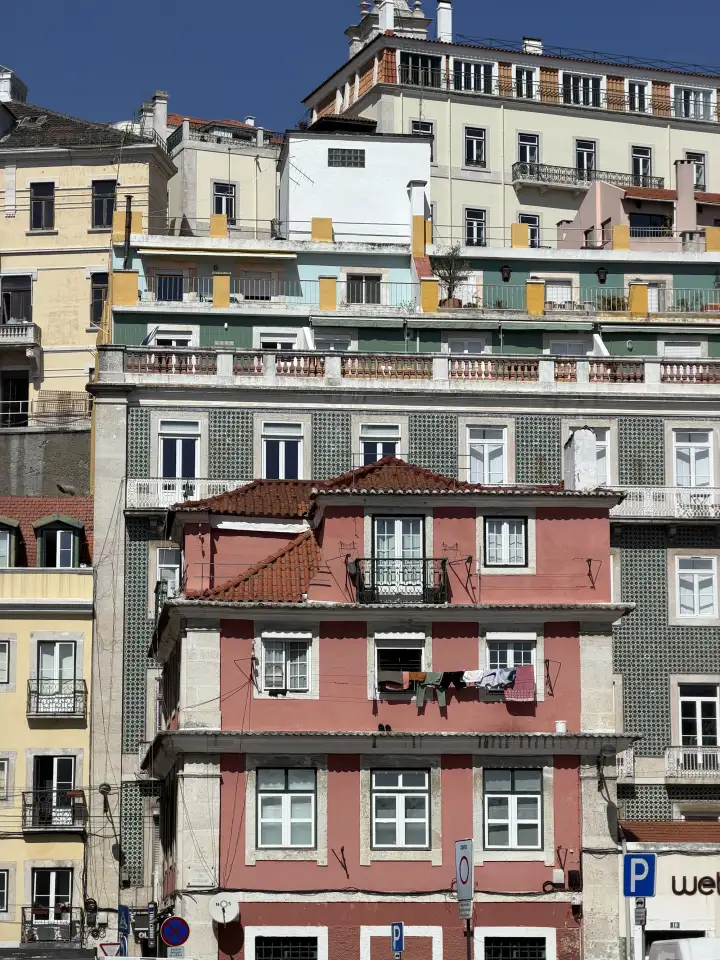
Family notes: Lisbon and Porto both have steep streets; choose hotels with lifts and avoid high-floor rooms if mobility is an issue. Parque das Nações in Lisbon has flat promenades and the Oceanarium.
If you want practical neighbourhood advice and hotel recommendations for Porto, check Hotels in Porto: neighbourhoods, picks & booking tips for where to stay and rough nightly ranges.
How to get around: trains, car hire or bus?
- Trains: frequent and comfortable between Lisbon and Porto (Alfa Pendular 2h45–3h). Regional trains serve Aveiro, Coimbra and parts of the north. Book in advance for the best fares.
- Car hire: recommended for the Alentejo and Algarve if you want to reach smaller beaches and villages. Road quality is generally good; watch narrow lanes in medieval towns. Town centres can have limited parking and narrow streets.
- Buses: good value for towns where trains are infrequent. Rede Expressos runs major intercity routes.
- Local transport: Lisbon uses metro, trams and buses; get a Viva Viagem card. Porto has a metro and compact centre, but expect hills.
Practical times (approximate):
- London to Lisbon flight: about 2 hours 30 minutes; to Porto: about 2 hours.
- Lisbon to Porto by train: 2h45–3h.
- Lisbon to Sintra by train: about 40 minutes from Rossio station.
- Porto to Douro Valley (Peso da Régua) by car: 1.5–2 hours; by train a little longer depending on service.
Always check timetables before you travel; services vary seasonally and on weekends.
Costs and budgets (rough per-person guidance)
- Budget traveller: around £45–£65 per day. Hostels or budget guesthouses, public transport, markets or takeaway meals.
- Comfortable mid-range: £100–£150 per day. A double room or good B&B, local restaurants, occasional paid tours.
- Higher end: £200+ per day. Boutique hotels, guided day tours, private transfers and tasting menus.
Money-saving tips: book long-distance train tickets early for discounts; eat where locals do (side streets off the main squares) to avoid tourist mark-ups; opt for takeaway pastel de nata and coffee from a pastelaria for an inexpensive breakfast.
Season and timing: when to go
- Best months overall: April–June and September–October. Mild weather, fewer crowds and good sea temperatures in September.
- July–August: busiest and hottest, especially Lisbon, Sintra and the Algarve. Expect high-season prices and crowded beaches.
- Winter: mild on the coast but some seasonal closures in smaller hotels and restaurants, especially in the Algarve. Nazaré’s famous giant waves are at their best in winter if you’re after the surf spectacle.
Off-the-beaten-path picks and sustainability notes
- Ericeira for world-class surfing and a less crowded coastal vibe than some Algarve spots.
- Monsaraz and smaller Alentejo villages for quiet stone streets and starry skies.
- Responsible travel tips: stick to marked paths in coastal and dune habitats, avoid single-use plastics (tap water is safe), and support small producers and family-run guesthouses.
Sample 3-day Lisbon itinerary (fast and sensible)
Day 1: Alfama and São Jorge Castle in the morning, Baixa/Chiado in the afternoon, dinner in Bairro Alto.
Day 2: Belém in the morning (Jerónimos Monastery, Pastéis de Belém), afternoon in LX Factory for shops and cafés.
Day 3: Day trip to Sintra: Pena Palace and Quinta da Regaleira, return to Lisbon for an evening riverfront walk.

If you want the best places to eat between sights, follow the sample crawls in my neighbourhood restaurant guide.
Frequently asked questions
Is English widely spoken in Portugal?
Yes. In tourist areas and major cities you’ll usually find good English; in smaller rural towns basic Portuguese helps and is appreciated. Learn a few phrases: Bom dia, Obrigado/a.
Where should I go in Portugal for a first timer?
Start with Lisbon and Porto plus a day in Sintra. If you have a week, add either the Algarve for beaches or Évora and the Alentejo for quiet countryside and history.
Is Portugal expensive to visit?
Portugal is generally cheaper than many Western European countries but prices in central Lisbon, Porto and the Algarve in high season can match any European city. Budget travellers can manage on modest daily sums, while mid-range travellers should expect £100–£150 per day.
When are the big surf waves at Nazaré?
The giant waves usually arrive in autumn and winter; if you specifically want to see big-wave surfing, plan for November–February and expect colder weather.
Should I rent a car?
If you plan to explore Alentejo or the Algarve’s quieter beaches and villages, a car is very useful. For a city-focused trip between Lisbon and Porto, trains are more convenient.
Plan it your way
Pick one theme and build around it: city culture (Lisbon + Porto), beaches (Algarve + Lisbon coast), or slow food and countryside (Évora + Alentejo + Douro). Use the 3/7/14-day templates above to scale up. For a Lisbon-focused start, read practical routes and neighbourhood tips in my Lisbon neighbourhood guide at /journal/things-to-do-in-lisbon-portugal. If you prefer a paced week with room to breathe, look at how I plan a relaxed seven-day trip in /journal/seven-days-in-italy for ideas about leaving time between stops. For more on the country as a whole, see /destinations/portugal.
Good planning prevents rush: allow extra travel time between regions, book longer train journeys in advance, and pick accommodation neighbourhoods that suit your energy level and mobility. Portugal rewards slow travel, so pick fewer bases and let the country reveal itself at walking pace.
Explore destinations ↗Tours & experiences
Things to do in Portugal.