Portugal · 9 MIN READ
Restaurants in Lisbon, Portugal: neighbourhood guide & picks
A neighbourhood-by-neighbourhood guide to restaurants in Lisbon, Portugal: tascas, seafood, pastry shops and Michelin picks, with booking tips and sample crawls.
Quick answer
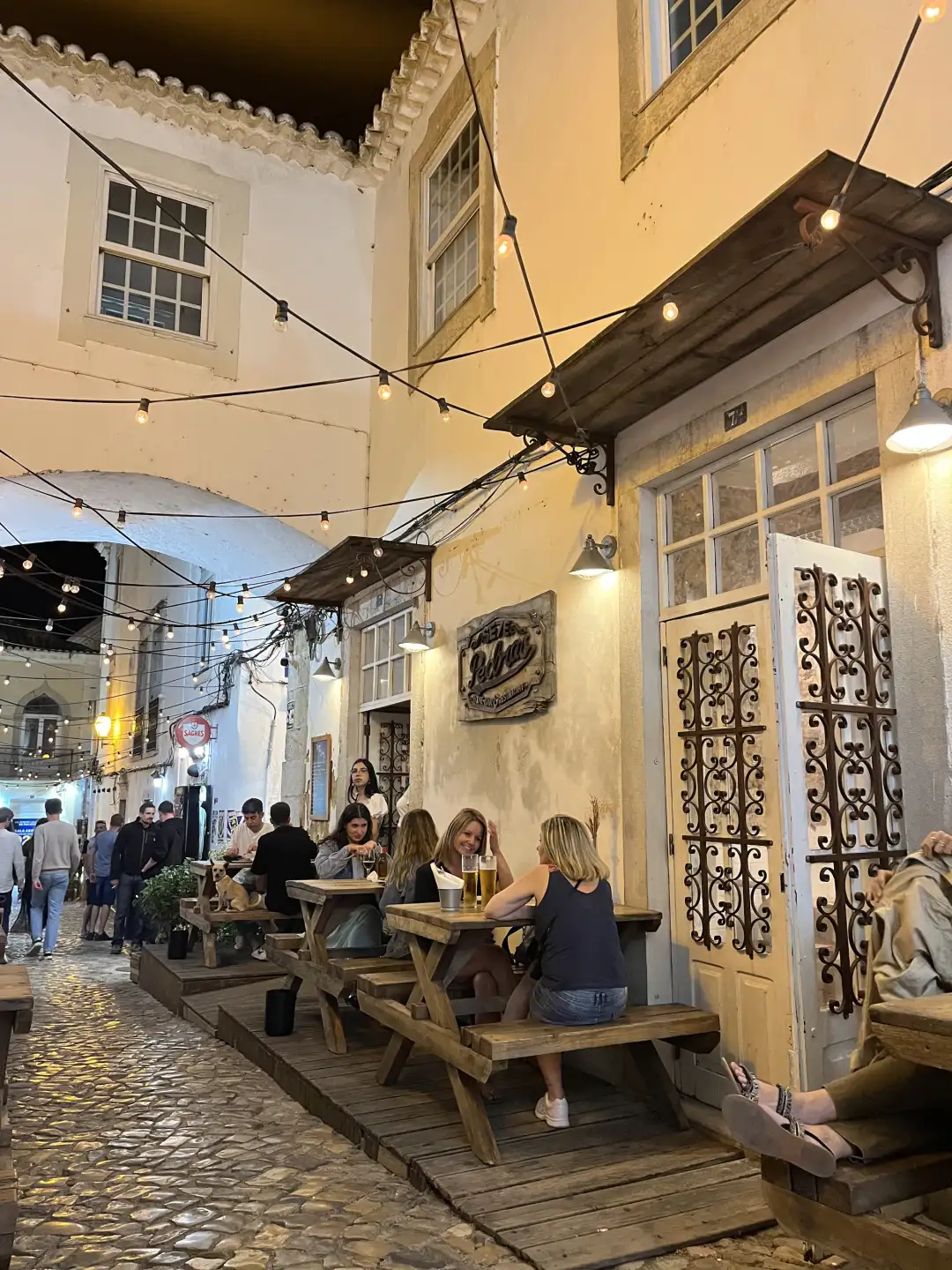
If you want the best restaurants in Lisbon, Portugal, think neighbourhoods, not one list. Chiado and Bairro Alto concentrate the fine dining and chef-driven rooms; Príncipe Real is where natural wine bars and independent bistros gather; Alfama, Mouraria and Intendente are where you find proper tascas and grilled fish; Cais do Sodré and Campo de Ourique have reliable mid-range choices. Pastéis de Belém and Cervejaria Ramiro remain reference points for pastry and seafood, but the city's food scene is broad: markets, modern Portuguese tasting menus, and approachable petiscos everywhere.
This guide gives budget-to-splurge picks by area, concrete ordering notes, realistic price bands, accessibility and dietary tips, reservation tactics, and two short walking meal itineraries to use on your own.
How are Lisbon's dining neighbourhoods different and which one should I pick?
Chiado and Baixa: best for fine dining and a post-dinner stroll. You’ll find the Michelin-led restaurants and larger, more formal tasting menus here. Expect higher prices and bookings needed for weekend evenings.
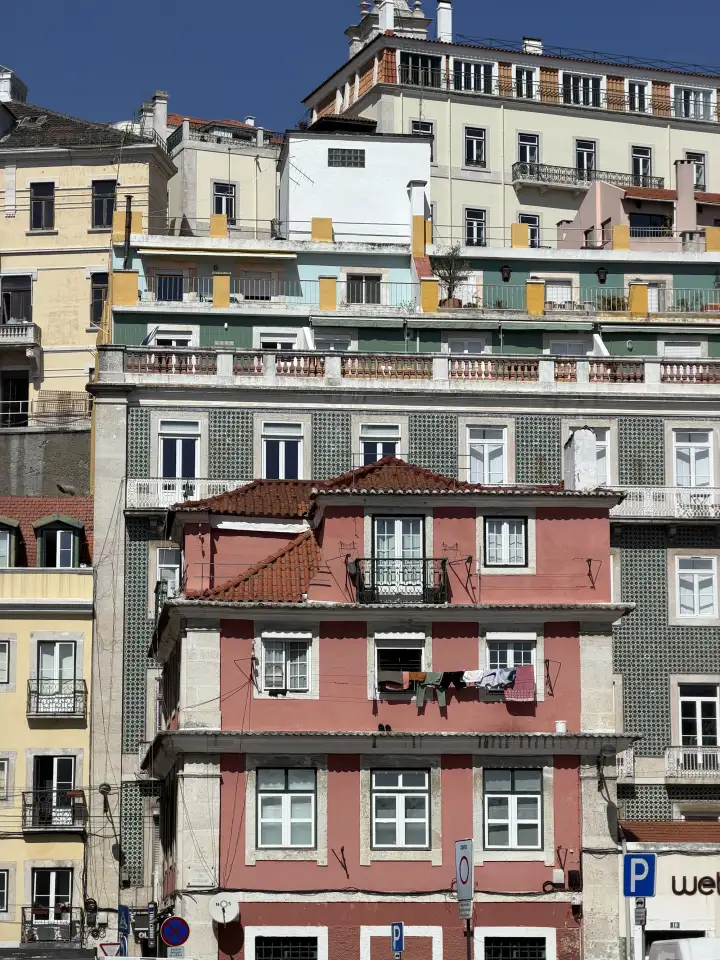
Príncipe Real and Santos: independent restaurants, natural-wine bars, creative small-plates and reliable brunch spots. Good for flexible nights, many places take reservations but some are walk-in friendly.
Alfama, Mouraria and Graça: traditional tascas, grilled fish and fado evenings. These areas are the place for unpretentious food, often in buildings with narrow doors and steps. Great for casual, late dinners after 9pm.
Cais do Sodré and Santos Quay: food markets and seafood. Time Out Market (Mercado da Ribeira) at Cais do Sodré is a big, tourist-friendly food hall with lots of options under one roof. For a classic seafood experience, go to Cervejaria Ramiro.
Campo de Ourique and Estrela: neighbourhood dining where locals eat; more family-friendly, good for lunch deals and quieter evenings.
Which restaurants should I try in Alfama, Mouraria and Graça if I want traditional food?
Budget: tascas and pratododia
- Look for tascas with a handwritten prato do dia sign, plastic-covered tables and a lunchtime local crowd. Expect low prices, roughly €8–€14 for a lunchtime set (about £7–£12). No central phonebook lists the best ones; explore Rua da Graça and the streets around Mouraria.

Local favourite picks (walk-in likely):
- Lisboa Tu e Eu 2, Escadinhas das Portas do Mar 4, Alfama: known for bacalhau dishes and a compact, traditional room. Lunch is a safe bet.
- Tasca do Chico, Bairro Alto (for fado and petiscos): very small, live fado most nights, arrive early or expect a wait. No reservations in many cases.
What to order: bacalhau à Brás, polvo à lagareiro, grilled sardines in season (roughly June to September). If sardines are listed, the restaurant probably bought them fresh that day.
Accessibility: many of these places occupy old buildings with narrow stairs. Call ahead for step-free access where possible.
Where to go for seafood and shellfish in Lisbon?
Classic seafood: Cervejaria Ramiro, Av. Alm. Reis 1 H, remains a benchmark for clams, prawns and crab. Expect bib-on, loud, slightly chaotic service and prices that are mid-range to upper mid-range depending on what you order. A shared seafood feast here can be around €25–€50 per person (roughly £22–£44), depending on how many shellfish plates you add.
Upmarket seafood tasting: restaurants like those with Michelin recognition in the city centre offer refined seafood tasting menus. For dramatic views with seafood, Fifty Seconds at the Vasco da Gama Tower is notable for its setting and modern seafood-driven tasting menu.
Markets: Mercado da Ribeira, also called Time Out Market, Av. 24 de Julho, is the easiest place to sample different seafood chefs under one roof. It’s busier and slightly more expensive than a neighbourhood seafood tasca, but practical if you have a mixed group.
Sustainability tip: ask your server whether the fish is local and line-caught. Many Lisbon kitchens are happy to explain sourcing.
Where do I find the best pastéis de nata and bakeries?
Original classic: Pastéis de Belém, Rua de Belém 84–92, is the historic address for the original custard tart. There’s usually a queue, but it moves quickly and you’ll get a hot tart straight from the oven.
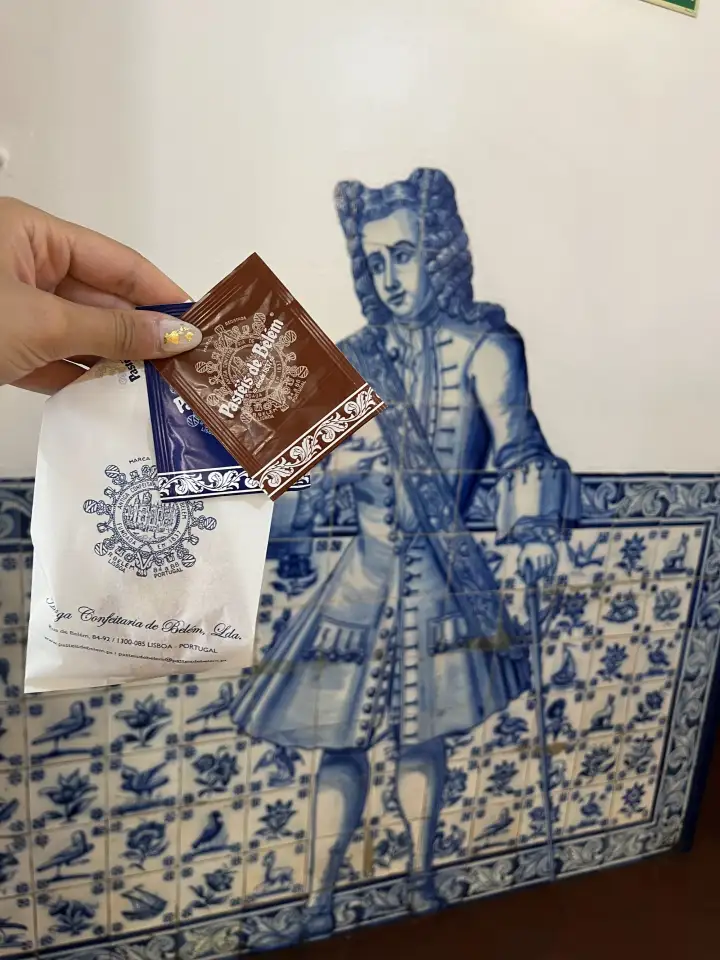
Local favourites outside Belém: specialist bakeries in Anjos and Intendente now compete strongly. Look for a flaky crust and a custard that jiggles when warm, not one that’s set like a solid pudding.
When to go: mid-morning is ideal for a fresh tart. Pastelarias also sell sandwiches and coffee; take those to a nearby miradouro for a city view picnic.
Which restaurants are best for vegetarian and vegan diets?
Vegetarian-first and flexible options: Senhor Uva (wine bar with small plates) and Prado (seasonal, vegetable-focused menu) are both regularly recommended for thoughtful vegetarian dishes. Many modern restaurants now offer a vegetarian tasting menu if you give them advance notice.
Markets like Mercado de Arroios offer street food from across the world, with clear vegan and vegetarian choices, though signage can be in vendors’ languages.
Tip: say your dietary requirements when booking, and repeat them on arrival. Portuguese restaurants are used to accommodating allergies and preferences but appreciate early notice.
Which Lisbon restaurants are Michelin-starred and how far ahead should I book?
The city has several Michelin-starred rooms and high-end tasting menus. For weekend evening tables at two-star or one-star restaurants such as Belcanto and Alma, book 4–6 weeks ahead for good times. For weekday lunch many of these places offer a cheaper tasting menu and are easier to book with shorter notice.
Booking tactics:
- Book online where possible and put a phone number; cancellations happen and last-minute slots can open.
- If a restaurant doesn’t take reservations (for example A Cevicheria and Taberna da Rua das Flores often operate walk-in only), arrive at opening time to avoid long queues.
- For river-view or window tables at tourist-favourite spots, reserve as far ahead as you can.
How much will eating out in Lisbon cost? (Budget, mid-range, splurge)
- Budget day: coffee and a pastel de nata €3–€5 (about £2.60–£4.40), a tasca lunch prato do dia €8–€14 (about £7–£12). Street snacks and market plates keep costs low.
- Mid-range evening: several petiscos to share plus wine, €20–€40 per person (about £18–£35).
- Splurge: Michelin tasting menus and seafood feasts can be €70–€150+ per person (about £62–£132), before wine pairing.
Tipping: not mandatory, but 5–10% is appreciated at mid-range and fine dining venues.
What are two short walking meal itineraries I can use?
Alfama evening crawl (slow, local flavour, 3–4 hours)
1. Start with an early aperitif and small petiscos at a riverside bar around 19:00, expect locals to arrive later. Cost: €6–€12 for a drink and a plate.
2. Move up into Alfama for a tasca main around 20:30. Look for a local restaurant advertising grilled fish and a daily menu. Main courses typically €10–€20.
3. Finish with a pre-booked fado show-dinner if you want music, or a late coffee and pastel if you prefer a quieter end.
Bairro Alto and Chiado evening (more structured, 3–4 hours)
1. Dinner at a petiscos-focused place in Chiado around 20:30, for example Taberna da Rua das Flores if you can get in. Expect a short wait or arrive at opening time.
2. Walk downhill through Bairro Alto for cocktails and late-night snacks; many bars open late.
3. If you prefer formal dining, reserve a Michelin-style tasting menu in Chiado and plan for 2.5–3 hours.
Practical transport, access and timing tips
- Dinner generally starts later in Lisbon; locals often arrive after 9pm. If you want a quieter meal, request an earlier reservation and expect less of a local crowd.
- Lunch is a big deal: prato do dia often runs noon to 14:30, and is a reliable value.
- Many old restaurants have steps and small bathrooms. If step-free access is essential, call the restaurant before booking; many modern spots and hotel restaurants are accessible.
- Use trams and the metro to move between neighbourhoods, but expect hills and cobbled streets on foot. Cais do Sodré is the main riverside transport hub for trains, ferries and metro.

Where should I ask about sustainability and local sourcing?
Ask directly when you book or on arrival which fish is local, whether meat is from Portuguese farms and if seasonal vegetables are used. Restaurants that mention local producers on the menu or on their website are usually more transparent. Market kitchens such as those at Mercado de Arroios and Time Out Market tend to show more vendor-level sourcing detail.
Frequently asked questions
What are the best foods in Lisbon?
Start with pastéis de nata, bacalhau dishes, grilled sardines when in season, and petiscos (small plates) such as amêijoas à Bulhão Pato (clams in garlic, white wine and coriander). Seafood and salted cod appear on many menus; taste across several places to compare.
Do restaurants in Lisbon take reservations and how far ahead?
Many do, especially in Chiado and for Michelin tables. For popular weekend evenings book 4–6 weeks ahead at top restaurants. Casual tascas often operate walk-in only; arrive at opening time to secure a spot.
Are there good Italian restaurants in Lisbon, Portugal?
Yes, Lisbon has well-regarded Italian restaurants ranging from classic trattoria-style to modern Italian. For solid pizza and pasta nights check neighbourhood listings in Príncipe Real and Santos; reservations can help on weekends.
Is Lisbon family-friendly for dining out?
Yes. Campo de Ourique and many riverside restaurants are family-friendly, and lunchtime prato do dia menus are a simple way to feed children. Note that many central dining rooms have limited space and stairs, so call ahead if you need a high chair or step-free access.
What should I buy from Portuguese food shops?
Good buys include local olive oil, canned fish (sardines and mackerel in olive oil), regional cheeses and halva-like sweets. Pastéis are best eaten fresh, not for a long journey.
Plan it your way
If you have limited time, pick one neighbourhood for every evening: Alfama for traditional tascas and fado, Chiado for a formal tasting menu or refined petiscos, and Príncipe Real for drinks and a more informal meal. Combine a morning market visit such as Mercado de Arroios with a pastel stop in the late morning and a relaxed riverside seafood dinner to balance sightseeing with real food. For practical neighbourhood walking routes and things to do between meals, see the Lisbon neighbourhood guide at [ /journal/things-to-do-in-lisbon-portugal ] and our shortlist of Portugal highlights at [ /journal/best-places-to-go-in-portugal ]. For where to stay matched to dining areas, see [ /destinations/portugal ].
If you want to try Lisbon with a small hosted group that focuses on getting meals right without over-planning, check Sojourna's trip calendar to see any upcoming Portugal departures and sign up early to secure seats at the city’s in-demand restaurants.
Explore destinations ↗Tours & experiences
Things to do in Lisbon.