Portugal · 10 MIN READ
Things to do in Porto, Portugal: 2–4 day guide
Practical, day-by-day Porto guide: top sights, port wine cellars, Douro day trips, neighbourhoods to stay in, transport, prices and pacing for 2–4 days.
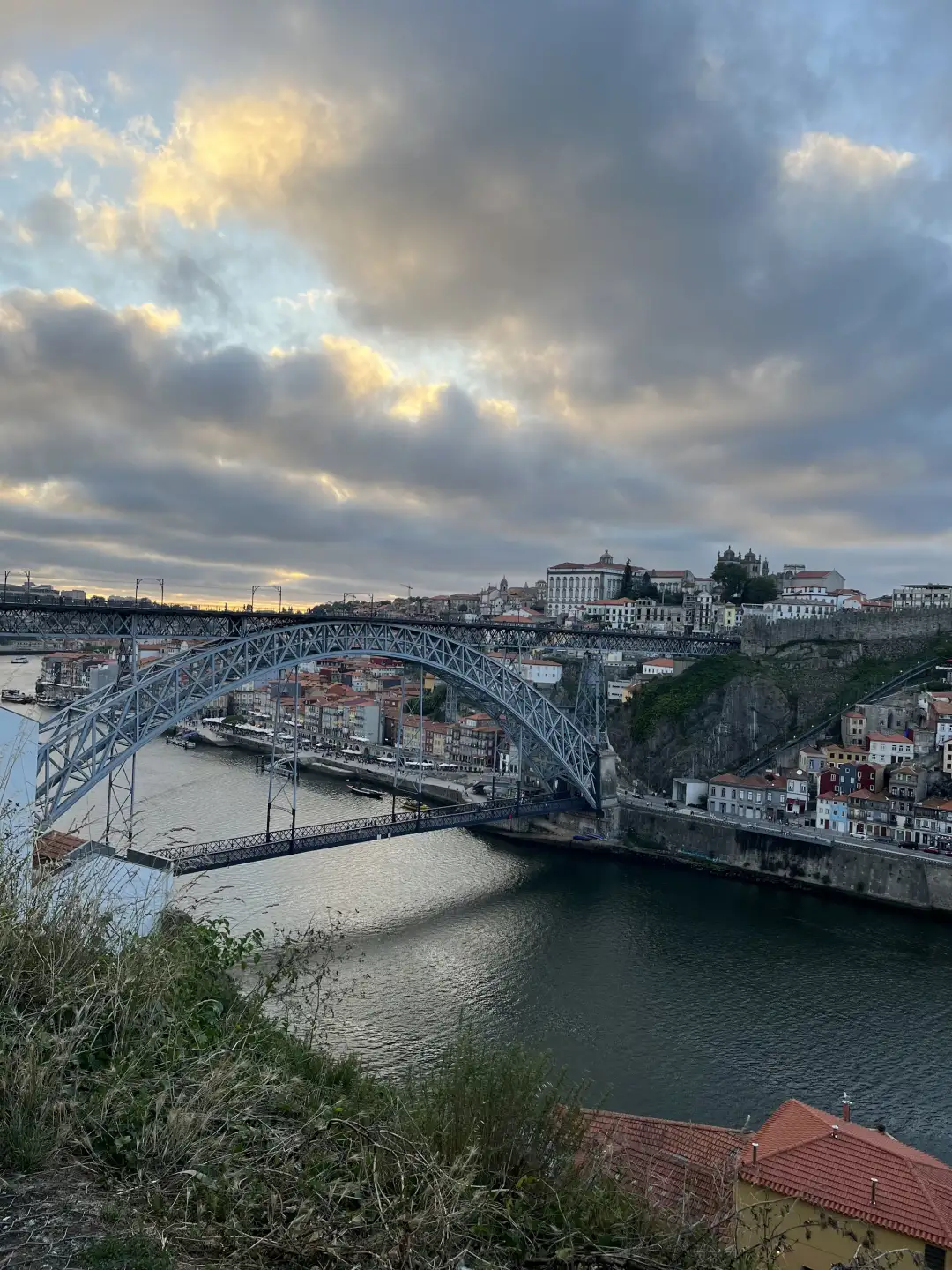
Porto is compact and surprisingly walkable, but it’s a city of hills, viewpoints and small neighbourhoods that reward slow exploration. If you want a short, practical plan that mixes the Dom Luís I Bridge and riverside with good food, port tastings and a Douro day trip, this guide gives you exactly that: what to see, how long to allow, where to stay and how to avoid the worst crowds.
Below you’ll find the Porto highlights with realistic visit-times, three sensible 1–3 day itineraries (plus an optional 4th day), neighbourhood-by-neighbourhood stay advice with budget tiers, transport and accessibility notes, and practical booking tips for the busiest attractions.
What should I not miss in Porto?
- Dom Luís I Bridge (30–60 minutes): Walk the lower and/or upper deck for different views across the Douro. The upper deck gives the best skyline photos early or late light; allow time to cross both ways if you can.
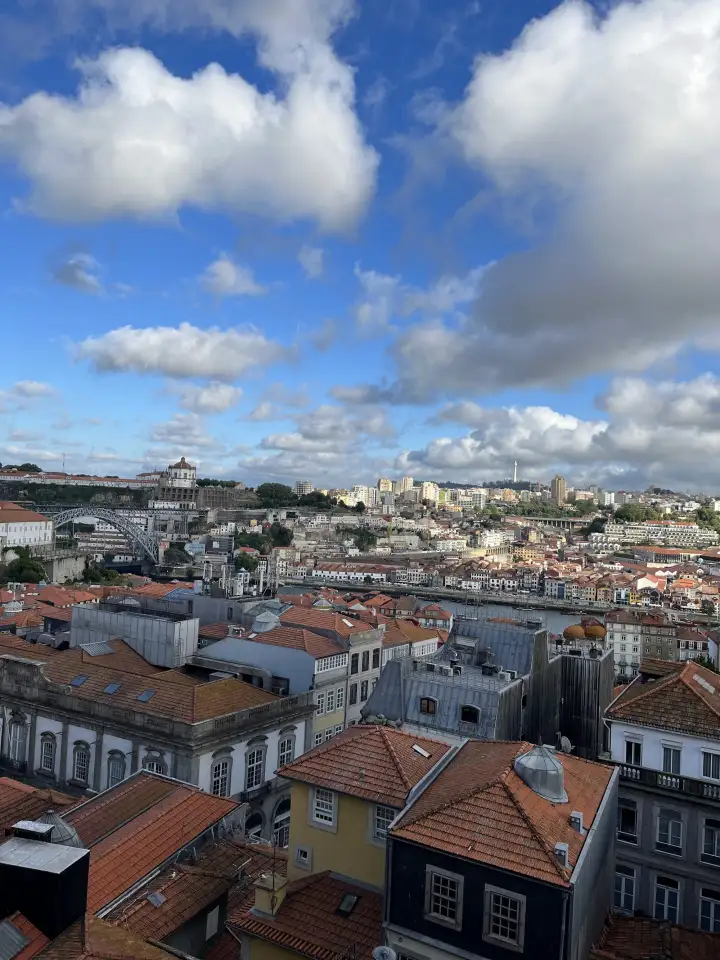
- Ribeira waterfront (45–90 minutes): Stone steps, riverside cafés and boat moorings. Good for a relaxed lunch or to join a short Douro cruise.
- Port wine cellars in Vila Nova de Gaia (1–1.5 hours per cellar): Book a guided cellar tour and tasting at Taylor’s, Graham’s, Sandeman or a smaller lodge. Tasting-only visits are shorter.
- São Bento Railway Station (15–30 minutes): The tiled panels are worth a quick stop as you move between sights.
- Palácio da Bolsa / Stock Exchange Palace (45–60 minutes): Guided tour only; the Arab Room is the highlight. Book ahead for a time slot.
- Livraria Lello (30–45 minutes): Buy a timed ticket in advance if you want to avoid long queues and get decent photos.
- Clérigos Tower (45–60 minutes): Climb the 200-odd steps for a 360-degree view. Expect queues at sunset.
- Mercado do Bolhão (lunch, 45–90 minutes): Recently renovated, good for snacks, local produce and a feel for everyday Porto.
- Serralves Museum and Park (2–3 hours): Contemporary art and landscaped gardens, a half-day if you want to see exhibitions and grounds.
- Matosinhos and Foz do Douro (2–4 hours): Beaches, seafood restaurants and surf lessons at Matosinhos. Good half-day escape.
- Miradouros (lookout points) to time for photos: Jardim do Morro in Gaia (30–60 minutes), Miradouro da Vitória, Parque das Virtudes and the Serra do Pilar viewpoint.
- Short Douro cruise (50–90 minutes) or day trip up the Douro Valley (6–10 hours): Choose a short city cruise for views; pick a full-day trip for vineyard scenery and tastings.
Are 3 days in Porto enough?
Yes. Three days gives a relaxed pace: day one for central sights and riverside, day two for Gaia cellars and a short cruise, day three for Serralves and a beach or a Douro Valley day trip. If you only have 24 hours, focus on Ribeira, Dom Luís I Bridge, São Bento, Clérigos and one port cellar.
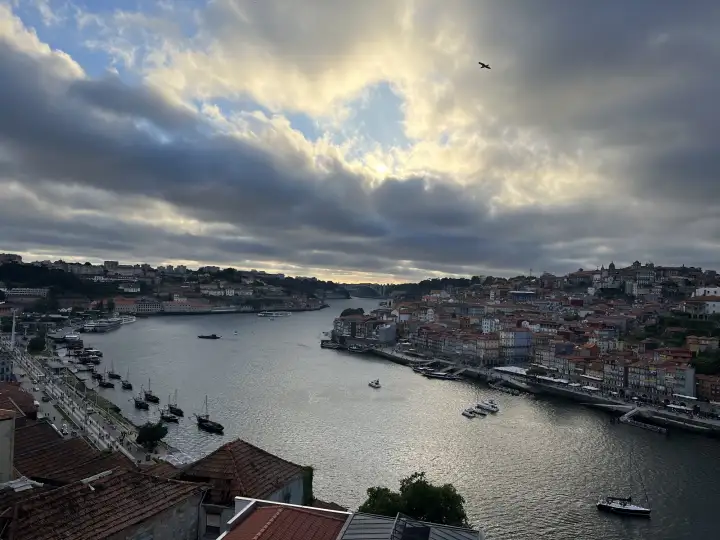
Sample pacing and suggested visit times (realistic):
- São Bento: 20–30 minutes.
- Livraria Lello: 30–45 minutes (more with waiting time).
- Palácio da Bolsa: 45–60 minutes (guided).
- Clérigos Tower: 45–60 minutes including climb and photos.
- Port cellar tour and tasting: 60–90 minutes.
- Serralves Museum: 2–3 hours.
- Short Douro cruise: 50–90 minutes.
1–3 day plans you can actually do
1 day (tight):
1. Morning: São Bento, walk to Avenida dos Aliados and Rua de Santa Catarina (Café Majestic stop). Allow 2 hours total.
2. Midday: Livraria Lello and Clérigos Tower (book Livraria Lello in advance). Lunch nearby, try a francesinha if you want the local experience (£8–£13 / €10–€16).
3. Afternoon: Ribeira and Dom Luís I Bridge, cross to Gaia for a port tasting (book a 16:00 slot). Short Douro cruise as time allows.
2 days (comfortable):
Day 1: As above, slower; add Palácio da Bolsa (guided tour) and Miradouro da Vitória around sunset.
Day 2: Morning in Gaia: cellar tour and Jardim do Morro views. Afternoon: Serralves Museum or Matosinhos beach and seafood dinner.
3 days (relaxed):
Day 1: City centre walking loop: São Bento, Bolhão Market, Rua das Flores, Clérigos, Livraria Lello, Palácio da Bolsa.
Day 2: Gaia and wine: cellar tour, Jardim do Morro, cable car, short Douro cruise at sunset.
Day 3: Choose one: Serralves Museum and gardens plus Cedofeita galleries, or a full-day Douro Valley trip with wine estates and Ribeira villages.
Optional 4th day: Train to Guimarães or Aveiro, or a full Douro Valley river/rail combo (these are full days and need early starts).
If you have one day in Porto and want a pleasant coastal escape, consider Aveiro day-trip guide for travel times, moliceiro rides and Costa Nova.
Where should I stay: neighbourhoods and who they suit
- Baixa / Aliados (central, mid-price to upper): Flat streets, easy walk to São Bento, shops and cafés. Good if you want to be central and avoid too many hills. Ideal for first-timers and those who want short walks back at night.
- Ribeira / Cais de Ribeira (scenic, more touristy): Great for riverside views and immediate access to boat trips and the Dom Luís I Bridge. Expect evening noise and tourist prices; choose this if you prioritise views and atmosphere.
- Cedofeita / Miguel Bombarda (creative, mid-range): Independent shops, galleries and quieter streets. Good for food-focused travellers and evenings away from the riverside crowds.
- Boavista / Casa da Música (modern, calmer): Easier access to Serralves and the airport metro. Better for longer stays or families who want less walking uphill.
- Foz do Douro / Matosinhos (coastal): If you want beach time and seafood restaurants, base here for 1–2 nights; note transfer times into the city centre.
Budget guidance (approx):
- Hostels / budget hotels: £20–£50 per night depending on season.
- Mid-range hotels and apartments: £60–£130 per night.
- Higher-end hotels: £150+ per night.
(Prices are seasonal; book early for summer weekends.)
For neighbourhood-by-neighbourhood hotel picks, nightly price ranges and simple booking tips for Porto, see Hotels in Porto: neighbourhoods, picks & booking tips.
Port wine: tasting or a cellar tour? Which is better?
If you’re short on time, a straight tasting in Gaia (30–45 minutes) will give you a feel for styles (ruby, tawny, madeira-style whites, vintage). If you want the story and atmosphere, a cellar tour (60–90 minutes) explains production, ageing and the role of the Douro vineyards. Expect organised tours at larger houses like Taylor’s, Graham’s and Sandeman; smaller family-run lodges can be more intimate. Typical costs: €10–€25 (£8–£21) for a cellar tour and tasting; some premium experiences cost more. Book a 10:00–11:30 or 15:00–17:00 slot to avoid midday heat and the largest crowds.
Douro Valley day trips: how to pick one
Options:
- Short city cruises (50–90 minutes): Mostly sightseeing, good if you only want the river view and a glass of port included.
- Full-day Douro Valley tours (6–10 hours): Bus or small-group minibus trips visiting vineyards, tastings and scenic viewpoints. Better if you want to see the terraces and taste Douro table wines as well as port. Expect to be out most of the day; bring a hat and comfortable shoes.
- Train to Peso da Régua or Pinhão: Slow, scenic and cheaper if you want independent travel, but check schedules. Combine rail with a river taxi or vineyard visit.
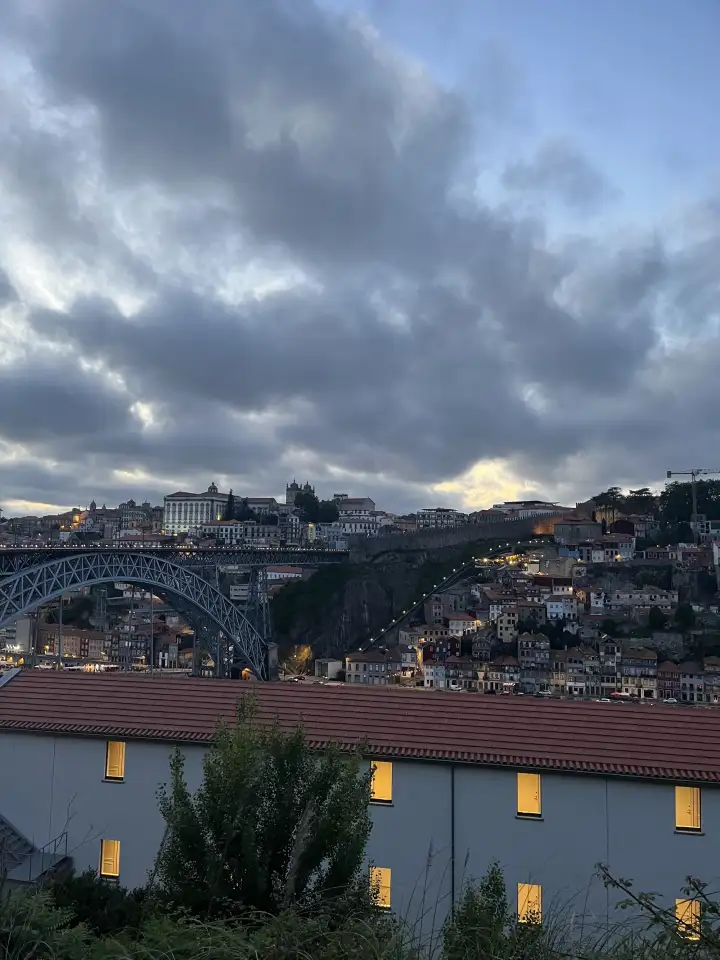
Costs vary widely: short cruises around €15–€35 (£13–£30), full-day guided Douro Valley trips roughly €60–€120 (£50–£100), depending on inclusions. Book seasonal wine tours in advance.
Getting around, accessibility and mobility advice
- Walking: Many streets are cobbled and steep. Good walking shoes matter. Allow more time than a flat-city map suggests.
- Metro & trains: The metro links the airport to the centre in about 30 minutes; trains serve longer-distance day trips. Tickets are inexpensive; buy on machines or via app.
- Funiculars and cable cars: Funicular dos Guindais and the Gaia cable car save hill-climbing and are useful for short legs.
- Taxis and rideshares: Readily available; taxis are reasonable for short uphill runs if you want to avoid stairs.
- Accessibility: Many viewpoints and older buildings have steps and narrow entrances. If mobility is limited, choose Baixa/Aliados for flatter streets, use taxis to reach viewpoints, and check accessibility with museums and cellars before booking.
Food and where to eat
- Francesinha: Café Santiago or Cufra are established options around the city centre; expect about €10–€16 (£8–£13).
- Seafood in Matosinhos: grilled sardines, bream and shellfish; head to the restaurants near Matosinhos beach.
- Pastries and cafés: Try pastel de nata at local cafés. For an ornate stop, Café Majestic on Rua de Santa Catarina is a Belle Epoque option but can be busy.
- Markets and petiscos: Mercado do Bolhão and nearby delicatessens are great for small plates and local produce.
Safety and practical tips (no-nonsense)
- Pickpockets operate in tourist hotspots: keep bags zipped and be cautious in Ribeira, near São Bento and on crowded trams.
- At night, stick to well-lit streets and main squares; Ribeira can be lively but also noisy late. Use a taxi or rideshare after midnight if you’re walking alone.
- Book Livraria Lello, Palácio da Bolsa and popular cellar tours in advance for morning or late-afternoon slots to avoid queues.
- Best light for photos: early morning for empty streets and late afternoon for warm light over the Douro. Sunset at Jardim do Morro or Serra do Pilar is popular, arrive early for a spot.
Offbeat alternatives and sustainable tips
- Rua Miguel Bombarda gallery crawl for contemporary art without the riverside crush.
- Parque das Virtudes for a quieter sunset with locals.
- Eat at smaller local tasca restaurants rather than chain eateries; look for places busy with locals for the best food and prices.
- If you take a Douro boat trip, choose operators with small groups or electric options where available to reduce impact.
Frequently asked questions
Is Porto worth visiting?
Yes. Porto’s riverside character, drink culture and compact central neighbourhoods make it a rich short-break destination. Pair it with a Douro Valley day trip if you have extra time.
Are 3 days in Porto enough?
Three days is a good amount of time to see central sights, taste port in Gaia, visit Serralves and fit in either a beach afternoon or a full-day Douro trip.
What should I not miss in Porto?
Don’t miss walking the Dom Luís I Bridge, a port cellar tour in Vila Nova de Gaia, São Bento’s tiled hall and at least one local meal: francesinha or fresh seafood in Matosinhos.
Are there no-go areas?
There aren’t formal no-go districts for tourists, but exercise usual urban caution: avoid poorly lit side streets late at night and be mindful of pickpockets in crowded tourist spots.
Do I need a car in Porto?
No for the city itself. A car helps if you plan independent Douro Valley exploration, but trains and organised tours cover most day-trip needs.
Plan it your way
If you have 48 hours, focus on Baixa, Ribeira and Gaia: São Bento, Livraria Lello, Clérigos, Palácio da Bolsa and a cellar tour with a short Douro cruise. For 3–4 days, add Serralves and Matosinhos or a full Douro Valley day trip. If you want help pairing food, small-group winery visits and a manageable walking route that avoids the steepest streets, see our wider Portugal notes at /journal/best-places-to-go-in-portugal and for how Porto contrasts with Lisbon, read /journal/things-to-do-in-lisbon-portugal. For planning practicalities and seasonal advice, check /destinations/portugal.
External references you may want to look up while planning: Dom Luís I Bridge, Vila Nova de Gaia, Livraria Lello, São Bento Railway Station, Serralves, Matosinhos
Explore destinations ↗Tours & experiences
Things to do in Porto.