Portugal · 11 MIN READ
Hotels in Porto, Portugal: neighbourhoods, picks & booking tips
Practical guide to hotels in Porto, Portugal: where to stay by neighbourhood, curated luxury to budget picks, approximate nightly ranges and booking tips.
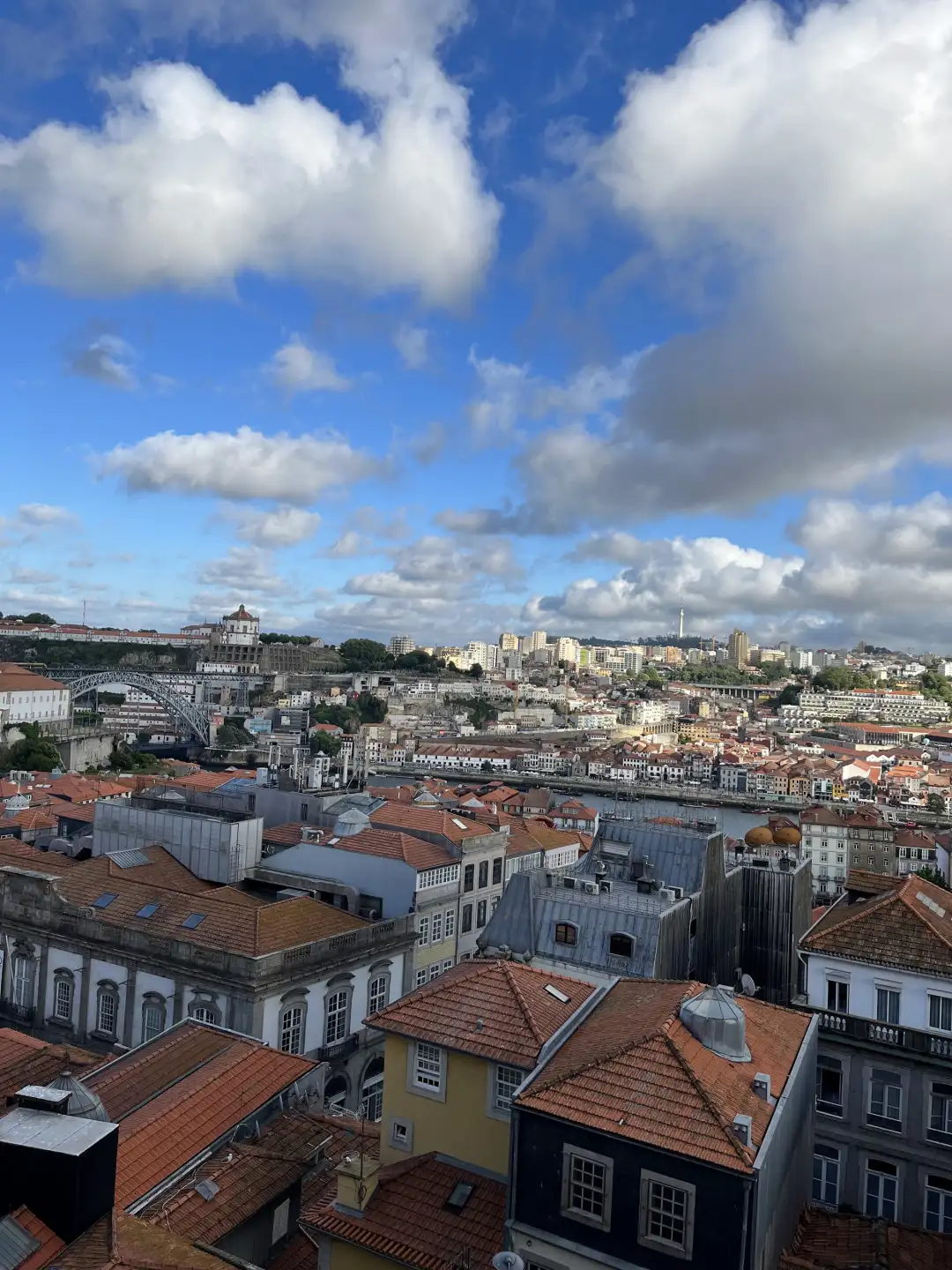
If you need a short answer: pick Baixa/Ribeira for first-time visitors who want river views and walking access to most sights; Aliados/Batalha for grand city-centre hotels and easy trains; Foz if you want beaches and quieter evenings; Boavista for business stays and Casa da Música; Vila Nova de Gaia across the river for wine-focused stays and big views.
Below I organise the best hotels in Porto, Portugal by neighbourhood and by budget, give typical nightly ranges and walking times, and share practical booking advice: when to lock in rooms, what to check for family or group stays, and when Airbnb makes sense instead of a hotel.
Where should I stay in Porto, Portugal? Which neighbourhoods are best?
Ribeira and Baixa
- Pros: Old town atmosphere, riverside cafés, short walks to Dom Luís I Bridge, lots of restaurants and nightlife on Rua das Flores and along Cais da Ribeira. Many historic buildings converted into hotels and guesthouses.
- Cons: Can be noisy at night; steep cobbled streets and many steps; fewer large rooms or family suites.
- Walking times: about 5–12 minutes to Cais de Ribeira and Dom Luís I Bridge; 8–15 minutes to São Bento railway station on flatter streets.
- Good for: first-time visitors, couples, short city breaks.
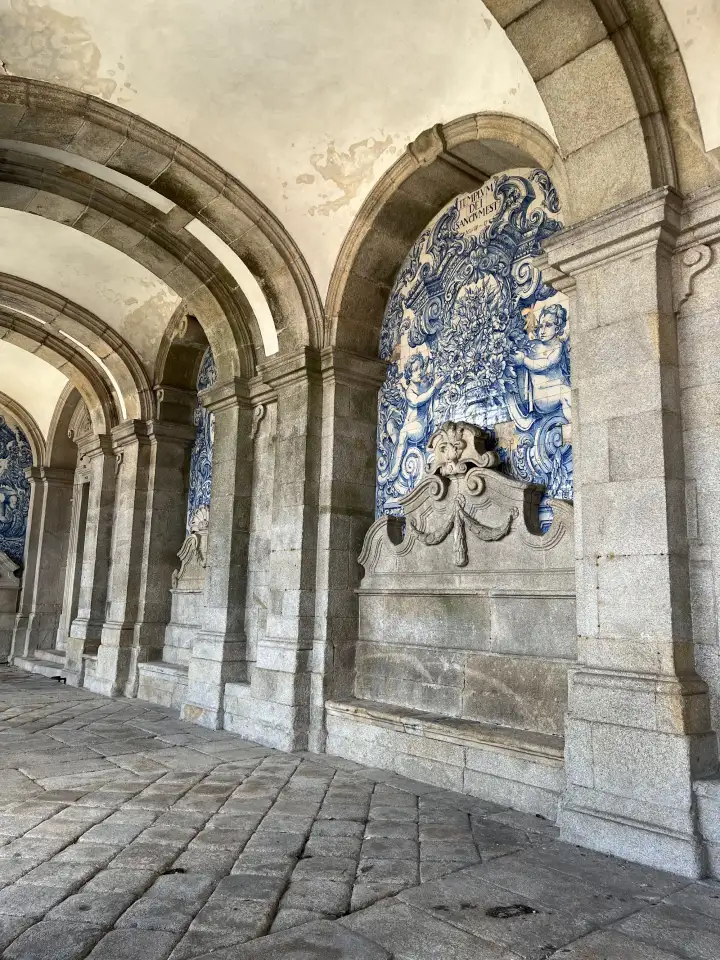
Sé / Cathedral area
- Pros: Very central, close to the Cathedral and Miragaia; characterful narrow streets and traditional shops.
- Cons: Hilly and uneven pavements; limited parking; some streets quieter in the evening.
- Walking times: 2–8 minutes to Porto Cathedral, 10–15 minutes down to Ribeira.
- Good for: history-focused trips and those who want to sleep within the UNESCO zone.
Avenida dos Aliados / Batalha
- Pros: Grand avenues, large 4 and 5 star hotels, best connected for buses and metro at Aliados and Trindade. Easy access to São Bento station and the main shopping streets.
- Cons: Less of the riverside atmosphere; can feel more like a business district in the daytime.
- Walking times: 2–5 minutes to Aliados square; 3–8 minutes to São Bento station.
- Good for: people wanting classic hotels, business travellers, anyone arriving by train.
Vila Nova de Gaia (across the river)
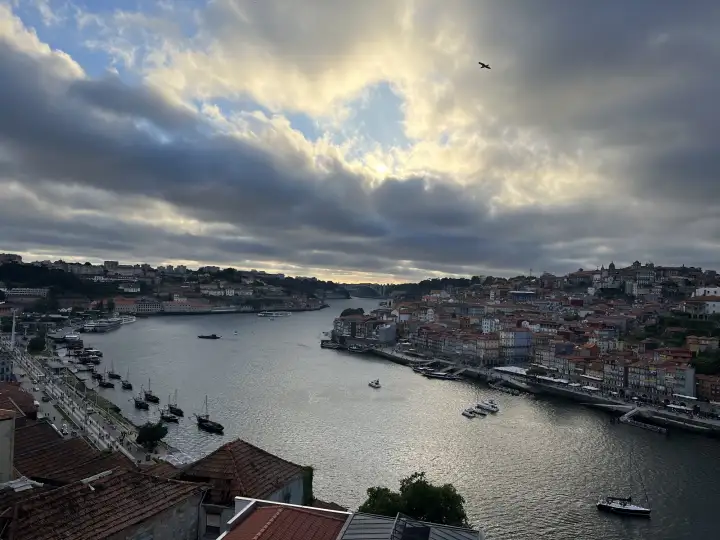
- Pros: Outstanding Douro River views and evening sunsets; row of port lodges and wine lodges; hotel terraces are a highlight.
- Cons: A short bridge walk to the city centre means you are close but slightly removed; select hotels are perched on a slope.
- Walking times: 8–15 minutes up and over the Dom Luís I Bridge to Ribeira; or tram/bus options.
- Good for: wine-lovers, romantic stays, travellers who prefer quieter riverside evenings.
Foz do Douro / Coastal
- Pros: Beachside neighbourhood where the Douro meets the Atlantic; seafood restaurants and calmer nights.
- Cons: 20–30 minutes by tram or bus to the city centre; fewer hotel choices at the highest standards.
- Walking/Transit: tram 1 and local buses connect to central Porto; taxis or Uber are common and affordable.
- Good for: longer stays, families, those who want seaside mornings.
Boavista
- Pros: Modern part of the city with larger hotels, concert halls and office districts; good for conference and longer-stay travellers.
- Cons: Less touristy atmosphere; further from the riverside.
- Walking times: 10–20 minutes to Casa da Música; metro and buses link to the centre.
- Good for: business trips, music or cultural events at Casa da Música, travellers using the metro frequently.
Which hotels should I consider: luxury, mid-range, budget and boutique picks?
Luxury and 5 star hotels (typical high season ranges: €220 to €500 plus; shoulder season lower)
- The Yeatman, Vila Nova de Gaia: Known for panoramic city views, wine-focused service and a Michelin-level restaurant. Great for celebrations and special occasions. Expect higher peak-season rates.
- InterContinental Porto, Palácio das Cardosas, Avenida dos Aliados: Grand rooms in a restored palace, steps from Aliados and São Bento. Good for a central, classic luxury stay.
- Infante Sagres, Baixa: Historic, ornate property well placed for Galerias de Paris nightlife and short walks to major sights.
- Maison Albar Le Monumental Palace, Aliados: Spa and pool, polished rooms and a hotel library in a 1920s building.
- What makes them special: rooftop or terrace views, on-site spas, larger suites and more consistent concierge service. If you need adjoining rooms for a family group, confirm with the hotel before booking.

Comfortable mid-range (typical ranges: €90 to €180; summer peak higher)
- NH Collection Porto Batalha, Batalha: Large rooms and an indoor pool in an adapted palace. Convenient for Aliados and Clerigos.
- Pestana Porto, A Brasileira, Baixa: New 5 star in a historic café building, offers modern rooms and a strong central location.
- Porto A.S. 1829 Hotel, Baixa/Sé: Boutique style in a small building with character and attentive staff.
- Torel Palace / Torel Avantgarde: Stylish independent hotels with pools and terraces; often quieter than riverside options.
- Why choose mid-range: Better value for room size, on-site breakfasts and reliable locations near metro lines.
Budget and simple stays (typical ranges: €40 to €90 low season; €70 to €130 high season)
- Axis Porto Club Aliados, Aliados: Larger budget hotel with practical rooms and 24-hour front desk.
- The Artist Porto Hotel & Bistro, near Foz/Batalha edge: Small boutique with creative decor and popular with younger travellers.
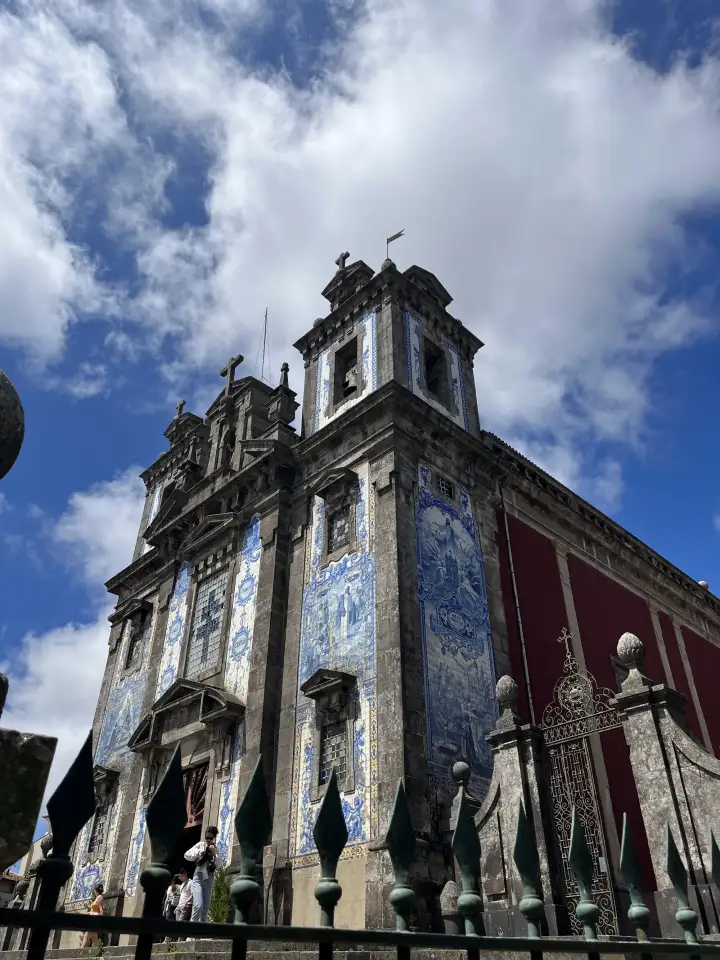
- Guesthouses and small guesthouses: Look for converted townhouses around Cedofeita and near Santo Ildefonso for cheaper, more local stays. These often include breakfast and helpful local advice.
- What to expect: Smaller rooms, fewer facilities, but often better-priced and centrally located.
Aparthotels and family-friendly options
- Legends House by Sweet Porto, near São Bento: Apartments with kitchenettes and multiple-bedroom options; good for families or longer stays where you want self-catering.
- Torel 1884 Suites & Apartments: Suites and apartments with balconies, helpful for families and small groups.
- Why book these: More space, kitchenette for breakfasts or light meals, often better for stays of a week or more.
Small independent guesthouses and locally run pousadas
- Look for properties advertised as "guesthouse", "pensão" or small boutique hotels in Baixa, Cedofeita and near the Jardim de São Lázaro. These are typically run by local owners, include breakfast and offer better value than equivalent chain hotels. They can be especially helpful for group stays since owners sometimes allow room-blocks and family suites.
How close are hotels to transport hubs: Campanhã, Trindade and São Bento?
- Francisco Sá Carneiro Airport (OPO) is about 11 km from central Porto. The metro's Line E (violet) runs from the airport to Trindade, where you can change lines to reach Aliados, Bolhão and other stations. A taxi from the airport to central Porto is commonly around $25 to $40 depending on time and luggage, but check live rates.
- São Bento railway station sits at the heart of Baixa and is within a 2–12 minute walk of most Aliados and Baixa hotels. If you arrive by train from Coimbra or Lisbon via Campanhã, use the local connection at Campanhã or a short taxi to the city centre; some intercity trains stop at São Bento directly.
- Trindade metro station is the main interchange close to Aliados and Batalha, and will get you to most suburban lines and the airport connection. When booking, check the hotel's walking route to the nearest metro entrance; some are on sloping streets and steps.
Hotels vs Airbnb: which is cheaper or better for Porto?
- Cost: Short stays (2–4 nights) in central Porto often work out cheaper in a small hotel or guesthouse once you add the cleaning and service of Airbnb. For longer stays of a week or more, an apartment with a kitchen can be better value and more comfortable.
- Convenience: Hotels offer daily housekeeping, 24-hour reception and clearer check-in policies. In Porto's older streets, some Airbnbs sit on upper floors without elevators, so check access if you have heavy luggage or mobility needs.
- Local rules and tourist tax: Porto enforces local visitor rules. Many hosts and hotels collect a small municipal tourist fee per person per night. Confirm with the property before booking.
- My recommendation: pick a hotel for a short city break or if you want a worry-free stay and local guesthouse for character. Choose an apartment for family groups or longer stays where a kitchen makes a real difference.
Booking and seasonality: when to book and what to expect on price
- High season: late May to September and major holidays. Expect nightly rates to rise, especially the last two weeks of July and early August.
- Shoulder season: March to May and October to November often give better value, milder weather and fewer crowds.
- How far ahead to book: For weekends in summer or hotels with river views, book 2 to 4 months in advance. For winter stays or weekday business travel, a few weeks can be enough.
- Cancellation and hidden fees: Prefer flexible rates if your plans might change. Read the fine print for city tourist tax, breakfast inclusion and if the hotel charges for early check-in, late check-out, or luggage storage. Many boutique hotels will be strict on cancellation for peak dates.
Accessibility, pets and group travel: what to check before you book
- Accessibility: Porto's historic centre has many stairs and cobbled streets. Ask hotels about lift access, room location and bathroom grab rails if you need them. Not every building has a lift, even if it lists "accessible" on booking sites.
- Pets: Some hotels accept pets but policies vary widely; small fees or limits may apply. Confirm before you travel.
- Groups or families: Ask about family rooms, adjoining rooms, sofa beds and the ability to reserve a block of rooms. Smaller independent hotels often help arrange adjacent rooms; larger hotels can offer family suites.
Practical walking times to main sights from typical hotel clusters
- Baixa/Ribeira to Dom Luís I Bridge and riverside: 5–12 minutes on foot.
- Aliados/Batalha to São Bento railway station: 2–6 minutes.
- Vila Nova de Gaia hotels to Ribeira: 8–15 minutes walking across Dom Luís I Bridge.
- Foz to Matosinhos beach area: 10–20 minutes by tram or short taxi ride.
Frequently asked questions
Where is the best neighbourhood to stay in Porto for first-timers?
Baixa and Ribeira are the most convenient: you can walk to most sights, many restaurants are nearby, and you get the riverside atmosphere. If you want quieter evenings, pick Vila Nova de Gaia or Foz.
Are hotels or Airbnb cheaper in Porto?
Short stays often favour hotels for value and convenience. For week-long stays, apartments can be cheaper per night and save on meals. Compare total costs, including cleaning fees and taxes.
What is the best month to visit Porto?
May, June and September balance good weather and fewer crowds than the peak summer weeks. October has cooler weather and lower rates.
Is Porto expensive compared with other European cities?
Porto is generally more affordable than many Western European capitals for food and accommodation, but high-demand river-view hotel rooms rise in price during summer.
How do I get from the airport to central Porto?
The metro Line E connects Francisco Sá Carneiro Airport to Trindade; from there you can walk or change lines. Taxis and ride-hailing apps are straightforward and commonly used.
Plan it your way
Short visit (2–4 days): Stay in Baixa/Ribeira for walking access to main sights, São Bento and the riverside. Pick a mid-range hotel or a small guesthouse to keep costs sensible.
Romantic or celebration trip: Look at Vila Nova de Gaia hotels with river views or a luxury riverside suite; expect higher prices but the sunset views are the payoff.
Family or longer stay: Book an aparthotel or apartment near Boavista or Trindade with a kitchen and larger living space; check walking routes for safety with children.
Business or events: Boavista or Aliados gives better access to conference venues and metro connections; many hotels in these areas offer meeting rooms.
If you want more planning detail on what to do while you stay, see my Porto 2–4 day guide at /journal/things-to-do-porto-portugal and the wider Portugal shortlist at /journal/best-places-to-go-in-portugal. For comparing neighbourhoods in other European cities, my Florence neighbourhoods guide shows the same approach at /journal/where-to-stay-in-florence-italy. Also check general Portugal destination notes at /destinations/portugal before you book.
Entities mentioned: Francisco Sá Carneiro Airport, Dom Luís I Bridge, São Bento railway station, Clérigos Tower, Douro River, Vila Nova de Gaia.
Explore destinations ↗Tours & experiences
Things to do in Porto.