Bali · 12 MIN READ
Things to do in Bali: what to see, when and how to plan
Practical, day-by-day guide to the best things to do in Bali: temples, Ubud, Mount Batur, Nusa Penida, beaches, travel times, accessibility and realistic itineraries.
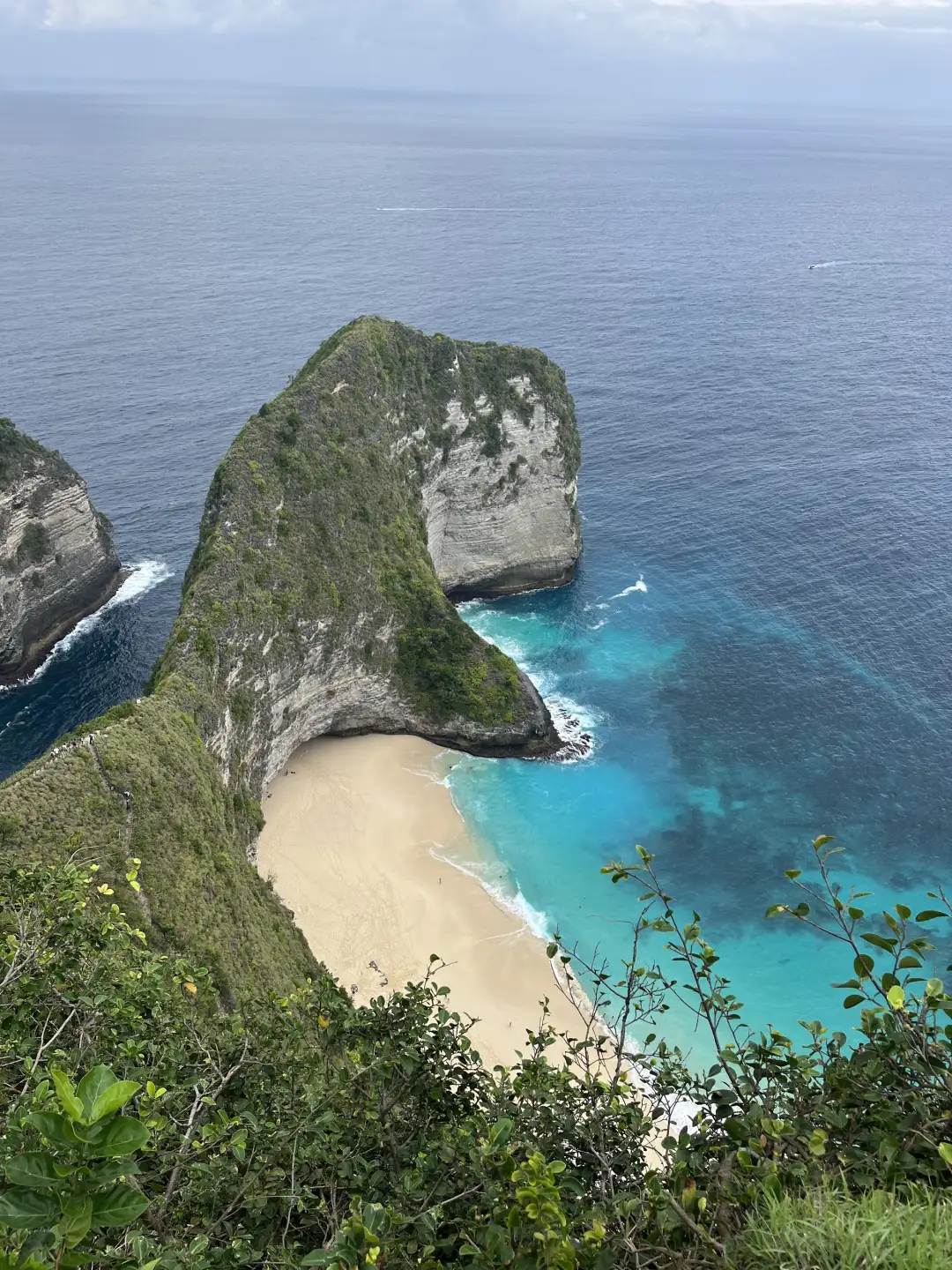
Bali has an embarrassment of riches: temples and rice terraces inland, cliffs and surf on the south coast, and clear water for snorkeling around the Nusa islands. This guide prioritises what’s worth your time, groups activities into realistic day plans by region and traveller type, and gives the practical details you need (how long things take, how hard they are, and when to go).
Read the short lists below if you want a quick plan; read on for transport times, accessibility notes, seasonal advice and sample 3-, 7- and 10+ day itineraries that you can copy and adapt.
What are the unmissable things to do in Bali (fast list)?
- Temples and sunsets: Uluwatu Temple at golden hour; watch the Kecak fire dance there in the evening. Visit Tanah Lot for a classic sea-temple sunset.
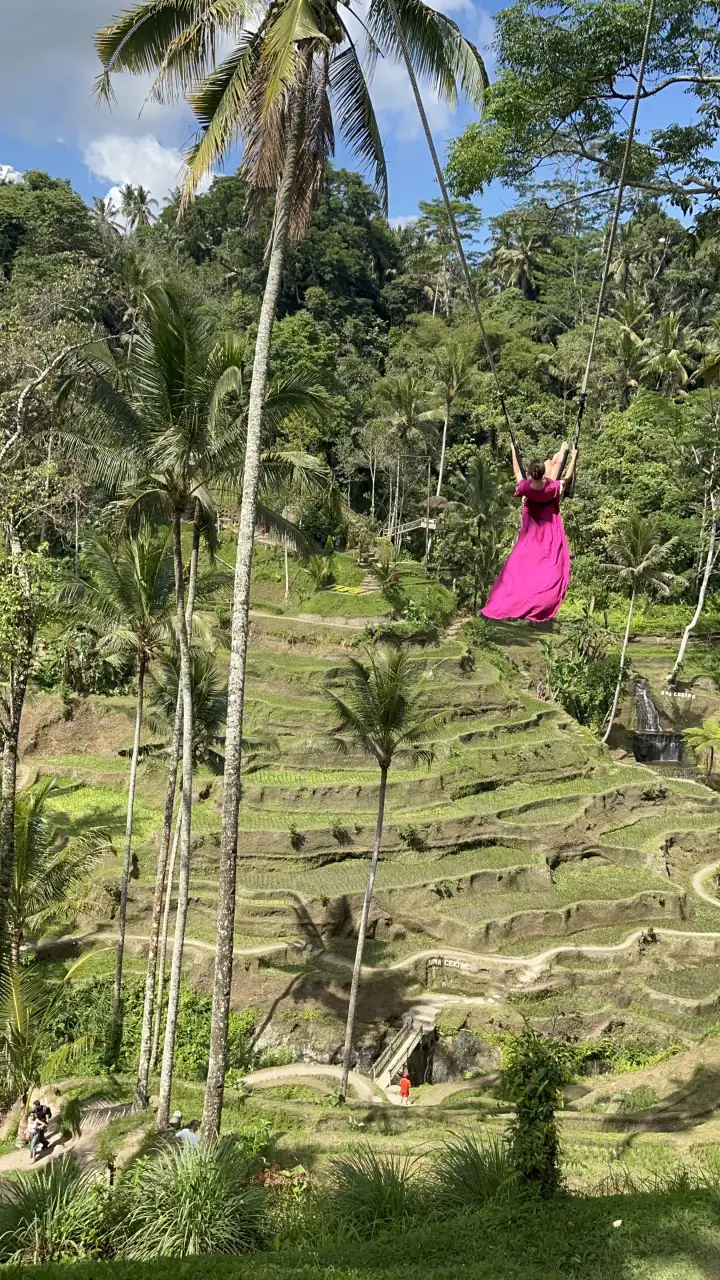
- Ubud highlights: the Tegalalang Rice Terrace, the Sacred Monkey Forest Sanctuary, local markets and a spa day.
- Sunrise trek: Mount Batur for sunrise, a pre-dawn hike with panoramic views.
- Island hop: day trip to Nusa Penida for Kelingking viewpoint; snorkel with manta rays near the islands.
- Beaches and surf: Canggu and Seminyak for beach clubs and lessons; Uluwatu for stronger waves and cliff beaches.
- Waterfalls and nature swims: Tegenungan, Tukad Cepung, Sekumpul and hidden pools around Munduk.
- Cultural and food: attend a temple ceremony, try a Balinese cooking class, and eat seafood on Jimbaran Beach.
Where should I base myself: Ubud, Seminyak/Canggu or Uluwatu? What are the trade-offs?
Short answer: pick two bases for a week. Ubud for inland culture and slower days; Seminyak/Canggu for cafes, nightlife and easy access to day trips; Uluwatu for surf, cliff sunsets and quieter beaches.
Practical travel times (approximate; check current traffic):
- Ngurah Rai (Denpasar) airport to Seminyak: 20–45 minutes.
- Airport to Ubud: 1–1.5 hours.
- Ubud to Uluwatu (south coast): 1–1.5 hours.
- Sanur to Nusa Penida by fast boat: about 30–45 minutes (weather dependent).
Trade-offs:
- Ubud is cooler, greener and better for walks, rice terraces and wellness. Roads are narrower and slower.
- Seminyak/Canggu are livelier, better for cafés and beach clubs; expect more traffic and less rice-field tranquillity.
- Uluwatu is best if you want surf or cliffside sunset views; fewer cafés but excellent coastal scenery.
If you want help choosing a base for a first trip, see our practical advice in /journal/bali-first-trip-where-to-stay and the destination overview at /destinations/bali.
To weigh food options between bases, consult my where to eat in Ubud, Seminyak and Canggu guide for price ranges and signature neighbourhood eateries.
To help decide where to base yourself, read my practical guide to Hotels in Ubud by area and budget for transport tips and price-bracketed picks.
If surfing is a priority, check how to pick a Bali surf camp by skill, area and price to decide whether Canggu, Uluwatu or other areas suit your level.
What should I plan for each major activity? Time, difficulty, approximate cost and who it suits
Below are the main activities, with the realistic planning details you need.
Tegalalang Rice Terrace, time and tips
- Typical visit time: 1–2 hours if you walk the paths; allow longer if you want a slow lunch or photos.
- Difficulty: easy; uneven dirt paths and occasional steps.
- Typical cost: small local entrance/conservation contribution is common; amounts are usually modest and vary by spot.
- Suitability: families, older travellers (watch the steps), photographers. Visit early morning to avoid crowds.
Uluwatu Temple and Kecak dance
- Typical visit time: 2–3 hours (explore the cliff, stay for sunset and the Kecak performance if you choose).
- Difficulty: easy–moderate (paths and cliff edges; some steps).
- Cost: temple entrance and performance fees vary; bring a sarong for the temple (often available to borrow or buy on-site).
- Suitability: everyone; note the cliffs and macaques, keep belongings secure.
Mount Batur sunrise trek
- Typical time commitment: 4–6 hours door-to-door (pre-dawn pickup, 1.5–2 hour hike each way depending on pace, plus sunrise time and return).
- Difficulty: moderate; rocky trail, low temperatures at the summit pre-dawn.
- Cost: guided treks vary by inclusions (transport, guide, breakfast); expect an organised tour unless you’re very confident navigating.
- Suitability: fit travellers; not recommended for small children or those with serious mobility issues.
Nusa Penida day trip (Kelingking, Broken Beach, Angel’s Billabong)
- Typical time commitment: full day (fast boat there & back plus island road time).
- Travel logistics: fast boats from Sanur are the usual option (roughly 30–45 minutes). There are slower public ferries and different departure points; check operators and weather before booking.
- Difficulty: viewpoints are easy; the descent to some beaches is steep and not suitable for all.
- Suitability: most travellers; avoid if mobility is limited or if sea sickness is an issue.
Snorkelling with manta rays
- Typical time commitment: half to full day including boat transit.
- Difficulty: easy if comfortable in the sea; operators supply lifejackets and guidance.
- Wildlife note: sightings are never guaranteed, choose a reputable operator with conservation-minded practices.
Waterfalls (Tegenungan, Tukad Cepung, Sekumpul)
- Typical visit time: 1–3 hours depending on how many falls you visit and how much walking is involved.
- Difficulty: moderate, steep steps and slippery paths at many falls.
- Suitability: most travellers who can manage steps; wear sensible shoes and be cautious after rain.
Spa, yoga and cooking classes
- Typical time commitment: flexible from one hour (massage) to half/full day (cooking class).
- Cost: ranges widely from local spas to luxury resorts; tipping is appreciated.
- Suitability: all travellers; good rainy-day options.
Surf lessons
- Typical time: 2–4 hours per lesson.
- Difficulty: beginner lessons taught on gentler beach breaks in Canggu or Kuta; Uluwatu is for more experienced surfers.
- Suitability: most capable adults and teenagers; children can learn with child-specific schools.
Beaches and beach clubs (Seminyak, Canggu, Uluwatu)
- Time: half day to full day.
- Cost: beach clubs often have a minimum spend or daybed fee, check before you arrive.
- Suitability: social travellers and sunbathers; swimming conditions vary (rip currents common at some south coast stretches).
How do I get to the Nusa islands: fast boat, ferry or private transfer? Which is best?
- Fast boats (Sanur → Nusa Lembongan/Nusa Penida): the most common choice for day trips or short stays; journey times are typically 30–45 minutes but depend on operator and weather. Fast boats are quicker but can be rough in choppy seas.
- Public ferries: cheaper and larger, but slower, good if you’re carrying luggage and prefer a steadier ride.
- Private charters: most flexible but more expensive; useful for early starts to maximise time on Nusa Penida.
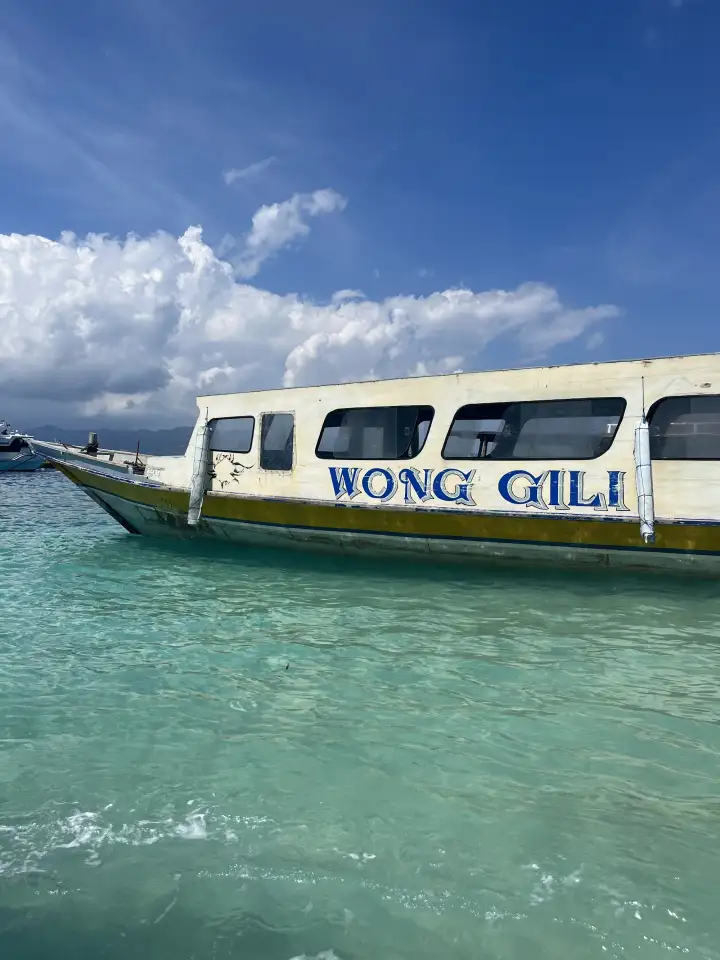
Practical tips: pick an operator with recent reviews, arrive early, and allow a buffer for return crossings (weather can delay boats). If you’re prone to seasickness, consider medication.
When is the best time to visit Bali and how do seasons affect activities?
- Dry season (roughly April–October): best for beaches, island-hopping and sunrise hikes on Mount Batur. Expect clearer seas for snorkeling and fewer rain interruptions.
- Wet season (roughly November–March): short heavy downpours, lush inland landscapes and fuller waterfalls, inland hikes and rice terraces look their greenest. Boat services and some coastal activities may be more affected by weather.

Tip: shoulder months (April–June and September–October) often offer the best balance of good weather and fewer crowds.
If your plans depend on surf, festivals or avoiding monsoon downpours, my month-by-month guide to the best time to visit Bali explains weather, crowds and packing.
How do I plan for sustainability, crowds and overtourism-sensitive choices?
- Timing: visit popular spots early morning or late afternoon to reduce impact and avoid peak crowds.
- Alternatives: choose Jatiluwih rice terraces instead of Tegallalang for a quieter and larger UNESCO-recognised landscape; explore lesser-known waterfalls around Munduk rather than the busiest ones.
- Operators: pick tour operators with clear conservation policies (no feeding wildlife, no single-use plastics, respectful boat practices around manta rays).
- Waste: carry a refillable water bottle and say no to single-use plastic where possible.
Are attractions accessible for older travellers or families? What to expect
- Accessibility is mixed. Many temples, viewpoints and markets have uneven steps and gravel paths. The Sacred Monkey Forest has steps and bridges; the monkeys can be lively around food and loose items.
- Easy options: spa days, markets, temple courtyards (where steps are minimal), beach clubs with ramp access in some venues. Avoid strenuous hikes (Mount Batur) or steep descents to hidden beaches if mobility is limited.
- Families: Bali is generally family-friendly, waterparks, gentle surf beaches for beginners, and many resorts with family rooms. Keep a close eye on young children around cliffs, strong surf and monkeys.
Safety, common scams and practical local rules
- Scams: agree prices for taxis or private drivers in advance; use reputable boat operators; be cautious with unofficial offers for tours or “entrance fee collectors” at attractions.
- Swimming safety: many south-coast beaches have strong currents; check local advice and only swim where flagged safe.
- Money and cards: ATMs are widespread but carry some cash for smaller sellers and remote areas.
- Drones and permits: rules change and many temples, crowded viewpoints and protected areas have restrictions, check current local regulations and ask your hotel or tour operator before flying.
- Health: carry travel insurance that covers adventure activities (trekking, water sports) and check vaccination advice for Indonesia as relevant.

Sample itineraries: realistic day-by-day plans you can copy
3-day essential (short trip, choose quality over quantity)
1. Day 1: Arrive, settle in Seminyak/Canggu. Beach, café lunch, sunset at a beach club.
2. Day 2: Full day Nusa Penida (fast-boat day trip) or a closer snorkel trip. Return for dinner on Jimbaran Beach.
3. Day 3: Early morning transfer to Ubud for Tegalalang and the Monkey Forest, then return to the airport (or overnight in Ubud if time allows).
7-day balanced (two bases: Ubud + south coast)
1. Days 1–3 (south): Seminyak/Canggu, beach club, surf lesson, Uluwatu & Kecak sunset.
2. Days 4–6 (Ubud): Move to Ubud, Tegalalang, Campuhan Ridge Walk, a waterfall day (Tukad Cepung or Tegenungan), spa and market time.
3. Day 7: Mount Batur sunrise trek (pre-dawn) or a more relaxed final day depending on fitness and flight times.
10+ day slower pace (adds north and islands)
- Add two nights in the north (Munduk/Bedugul) for Jatiluwih/Tabanan rice fields and quieter waterfalls.
- Add a two-night stay on Nusa Penida or Nusa Lembongan to explore at a gentler pace and snorkel more.
How much should I budget (very approximate guidance)?
Costs vary widely by style. Expect a wide range from budget homestays and local warungs to high-end resorts. Transport costs depend on whether you use private drivers, ride-hail apps, or rented scooters. Boat trips, guided treks and specialised tours add to the daily budget. Give yourself a realistic buffer and check current prices when you book.

If you need quick budget comparisons and sample itineraries, see Bali vs Phuket: which island should you pick? for side-by-side costs and sample daily budgets.
Frequently asked questions
What not to miss in Bali?
Don’t rush: choose a few experiences that match your pace (for many visitors this means one inland base around Ubud for culture and one south-coast base for beaches and sunsets). Prioritise either a sunrise trek or a Nusa island day trip rather than trying both on a short visit.
What’s the best time to visit Bali?
The dry season (April–October) is generally best for outdoor activities and island hopping. Shoulder months are quieter and still offer good weather. The wet season brings heavier rain but lush scenery.
Is 3 days enough to visit Bali?
Three days can work if you focus tightly (for example, south-coast highlights plus a single inland trip or a Nusa Penida day trip). For a fuller experience including north or island time, aim for 7–10 days.
Can I wear red in Bali?
There’s no general prohibition on wearing red. For temple visits, modest clothing is the key, cover shoulders and knees; sarongs and sashes are commonly worn and often provided at temple entrances.
Are Mount Batur and Lempuyang suitable for older travellers?
Mount Batur is a moderate early-morning hike and requires a reasonable fitness level. Lempuyang involves many steps and is strenuous; both can be skipped in favour of gentler temple visits and scenic drives.
Plan it your way
If you prefer to travel slowly, pick one base and build short day trips; if you want variety, use two bases and accept that travel time between them will eat into some days. For first-time visitors I recommend a south-coast base plus two nights in Ubud. If you like the structured day-by-day approach, you can see how we lay that out in other posts, we use the same practical, room-to-breathe approach in itineraries like /journal/bangkok-three-day-itinerary (a useful pattern even for different destinations).
If you’d like, tell me how many days you have, whether you prefer beaches or culture, and I’ll draft a personalised 3/7/10+ day plan with realistic travel times and pacing.
Explore destinations ↗Tours & experiences
Things to do in Bali.