Bali · 11 MIN READ
Bali surf camps: pick the right camp by skill, area and price
Practical guide to choosing a Bali surf camp: best areas (Canggu, Uluwatu, Medewi, Kuta, Nusa Lembongan), sample itineraries by level, prices and logistics.
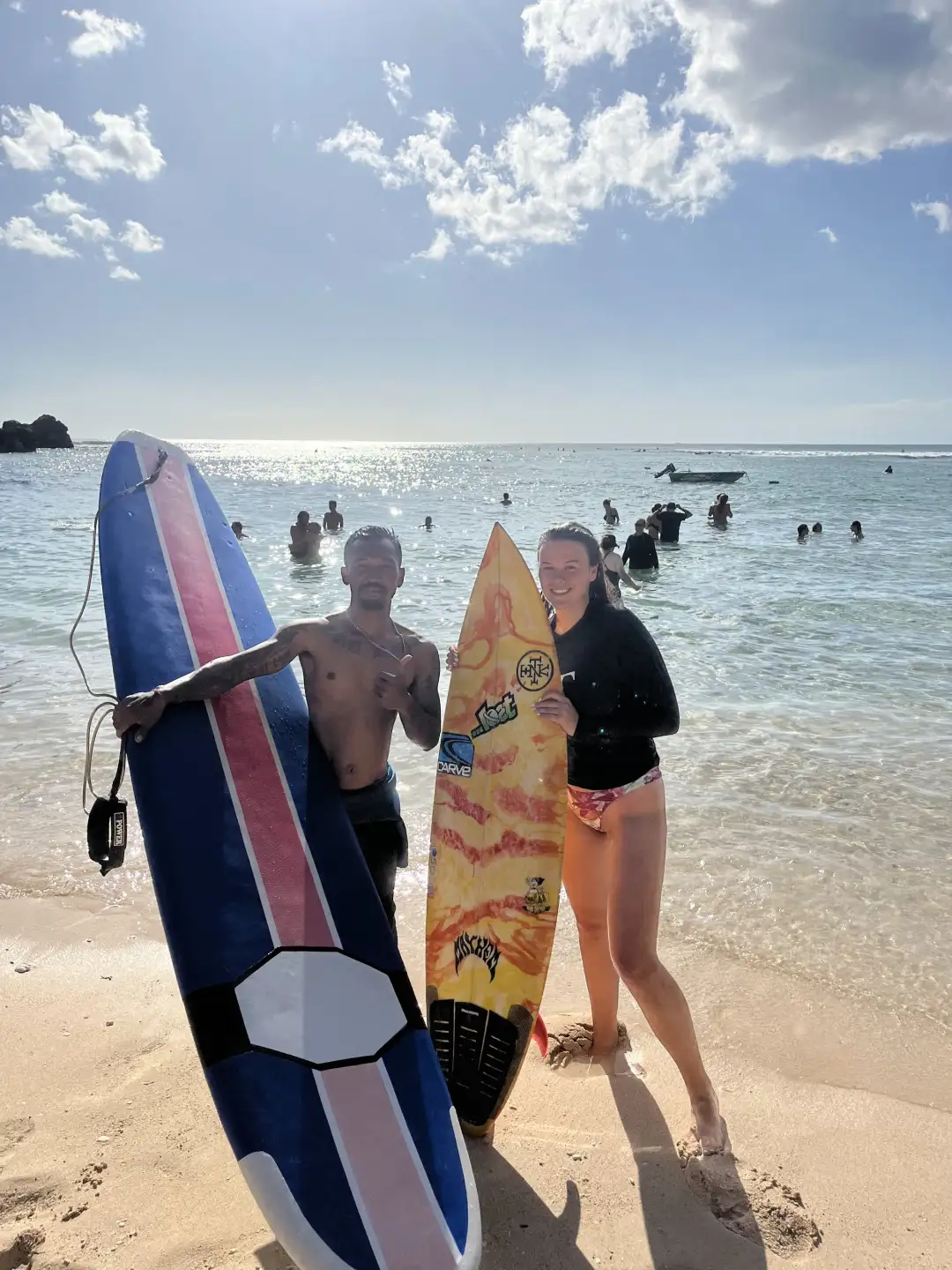
If you want to learn to surf, improve fast, or spend a week chasing the best Bali waves, first decide two things: your skill level, and the kind of base you prefer (social Canggu, quiet Medewi, or reef-heavy Uluwatu). This guide sorts surf camps by area and ability, gives realistic price ranges, sample day plans, transport times from Denpasar, safety and coaching notes, and a comparison table so you can choose quickly.
Read the opening and the quick comparison if you want a fast decision. If you’re planning a longer stay, the sample itineraries and logistics section will help craft a realistic week in the water.
Which Bali surf camp area suits my level and vibe?
- Canggu, Berawa and Batu Bolong: best for beginners and intermediates who want surf lessons, cafes, yoga and nightlife. Easy day-to-day balance between practice and social life.
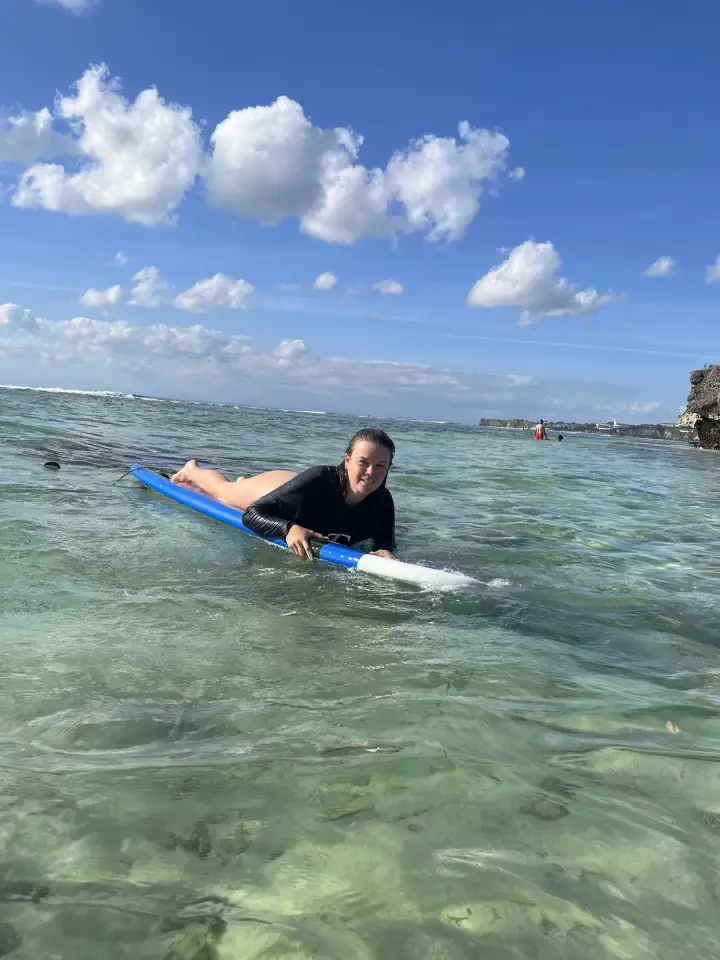
- Kuta and Legian: very beginner-friendly, predictable beach breaks, lots of beginner surf schools and low-cost group lessons. Expect bigger crowds and a louder evening scene.
- Uluwatu and Padang Padang: reef breaks for intermediate to advanced surfers. If you want hollow, fast waves and long rights, this is the location. Not for first-timers.
- Medewi: long lefts and slower waves. Great for learners moving into intermediate rides, and for longboarders. Quieter, more laid back than the south coast.
- East Bali and Keramas: powerful, hollow rights and fast sections, better suited to confident intermediates and advanced surfers. Keramas has a short boat ride option when conditions require.
- Nusa Lembongan and Nusa Ceningan: accessible by 30-minute boat from Sanur, the islands have mellow reef and beach breaks. Good for intermediates wanting a calmer line-up.
- G-Land (Grajagan, East Java): one of the world’s best long, powerful lefts. Accessible by liveaboard or organised trip from Bali. For experienced surfers only.
If you want social life and short transfers to a variety of spots, choose Canggu. If you want quality waves and a quieter base, look at Medewi or Nusa Lembongan. If your goal is progression toward intermediate and above, add a few days in Uluwatu or Keramas.
For surf-focused trips, my Canggu guide lists best breaks for different levels, surf schools, and practical timing for lessons and tides Canggu surf, cafés and day plans.
Quick comparison: camps by area, typical price and suitability
| Area | Best for | Typical price per day (approx) | Travel time from Denpasar | Wave type | Typical group size |
|---|---|---|---|---|---|
| Canggu / Berawa | Beginners to intermediate | £30–£90 per person per day (package) | 25–45 minutes by taxi | Beach breaks, easy rights/lefts | 6–20 |
| Kuta / Legian | Absolute beginners | £20–£60 | 20–35 minutes | Sandbar beach breaks | 8–30 |
| Uluwatu / Padang Padang | Intermediate to advanced | £45–£120 | 40–75 minutes | Reef breaks, hollow barrels | 4–12 |
| Medewi | Longboarders, intermediates | £25–£80 | 1.5–2 hours | Long lefts, mellow pace | 4–12 |
| Keramas / East Bali | Intermediates to pros | £40–£100 | 40–90 minutes | Fast rights, powerful sections | 6–16 |
| Nusa Lembongan | Intermediates, mixed groups | £40–£90 (including boat) | 30–50 minutes boat from Sanur | Reef and beach breaks | 6–14 |
Prices above are broad estimates for full-board surf-camp packages (accommodation, 1–2 lessons per day, board hire, transfers). Check each camp’s website for current rates and cancellation terms.
What a typical surf-camp package includes, and what it usually doesn’t
Included in many Bali surf camp packages:
- Accommodation: dorms, private rooms or bungalows. Expect simple, clean rooms; higher price tiers include air conditioning and private bathrooms.
- Daily lessons: usually one or two guided sessions per day, with transport to the break, an instructor in the water and basic safety briefings.
- Board hire: foam boards for beginners, a selection of soft or hardboards for intermediates. Leash and rash vest often provided.
- Transfers: airport pick-up often available for an extra fee, daily transfers to local breaks usually included.
- Meals: breakfast typically included; lunch and dinner sometimes available for an extra cost or part of full-board deals.
- Extras: theory lessons, video analysis, pool practice sessions, yoga classes, BBQ nights.
Common exclusions:
- International flights and travel insurance.
- Premium board hire (special shapes, new hardboards) and personal equipment storage.
- Entry fees for national parks, certain island transfers, or liveaboard G-Land trips.
How surf coaching works and how quickly you’ll progress
Most camps use a stepped coaching system: water-safety and paddling on day one, catching whitewater and standing on day two, linking turns and reading waves on subsequent days. Realistic progression:
- 1–2 days: gain confidence in the whitewater, paddle correctly and stand up on small waves.
- 3–5 days: aim to catch unbroken green waves, ride a short line and practise turning. Many beginners can stand and ride a few metres by day three, but consistency takes longer.
- 7–14 days: expect steady improvement, confidence in bigger conditions, and the ability to pick lines and make basic turns.
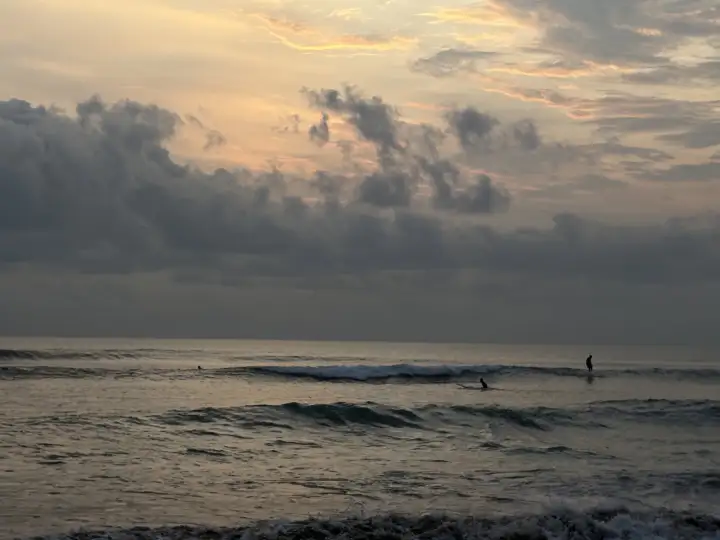
Can you learn to surf in three days? Yes you can learn to stand and ride small waves, but don’t expect to master paddling out big surf or advanced turns in that time. Video analysis and focused, private coaching accelerate progress; group lessons offer repetition and cost savings.
Instructor qualifications and safety to check for when booking:
- Ask if instructors are ISA or equivalent certified, have lifeguard training, and at least a few years of guiding experience at local breaks.
- Confirm student-to-instructor ratio: 4:1 or lower is good for beginners, 6:1 is acceptable; any higher and you’ll get less individual feedback.
- Check how they handle swell/tide changes, and if they have rescue boards or a quick-response plan.
- Make sure they provide or recommend insurance for water rescue; check local hospital access if you want extra reassurance.
Sample daily programmes by skill level
3-day beginner plan (for a 4-night stay, common short package)
Day 1 morning: Welcome, safety talk, board selection and a 2-hour beach lesson focusing on paddling and catching whitewater.
Day 1 afternoon: Supervised short session, feedback on stance and timing.
Day 2 morning: 2x 90-minute guided sessions at a gentle beach break, practice standing on green waves.
Day 2 afternoon: Pool or land-based theory session: surf etiquette, ocean awareness.
Day 3 morning: Guided session aimed at unbroken waves with emphasis on turning and riding lines.
Day 3 afternoon: Video review and tips, free surf if confident.
5-day intermediate progression (7-night stay)
Day 1: Arrival and light session; local spot orientation.
Day 2–4: Two guided sessions each day, one early to maximise swell and tide, one late afternoon. Focus on wave selection, bottom turns, and trimming.
Day 5: A coached reef session if comfortable, or a surf trip to a nearby break like Uluwatu or Keramas depending on conditions.
Extras: theory, video analysis, optional board shaping talk.
7-day mixed plan for groups with varied levels
Days split: morning beginner group, afternoon intermediate group. One day trip to Nusa Lembongan for calmer reefs, one evening social or yoga session, a wipeout-and-rescue practical.
Practical logistics: getting there, getting around, and costs
Getting to Bali: most UK travellers fly into Ngurah Rai International Airport (Denpasar). Flight time from London is typically 16–18 hours with one stop, though direct seasonal routes vary.
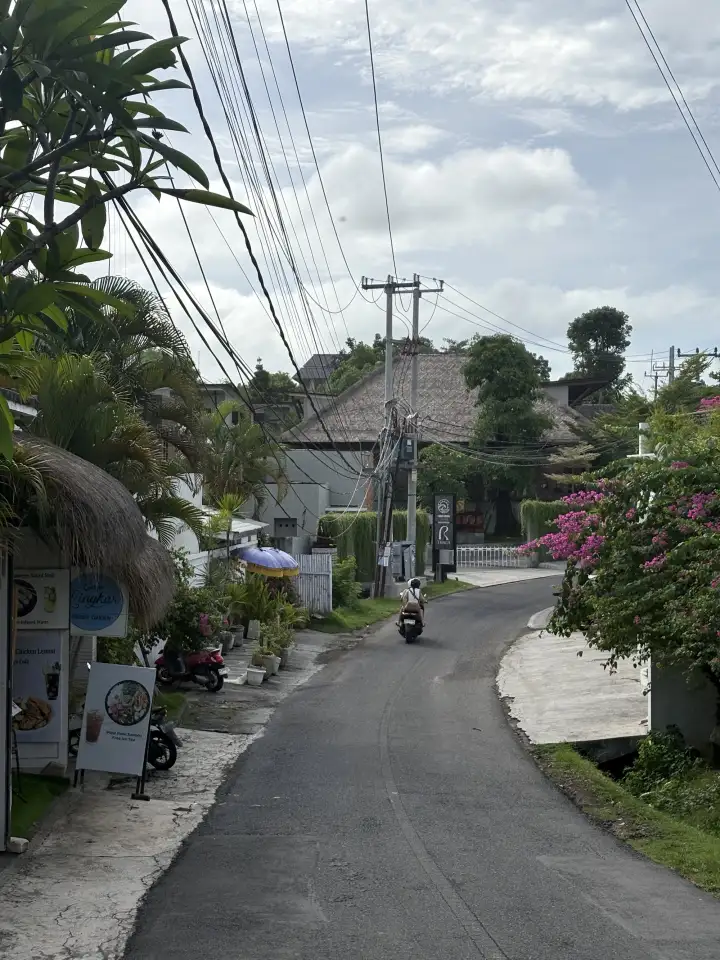
From Ngurah Rai to camp:
- Canggu: 25–45 minutes by taxi or private transfer, depending on traffic. Expect taxi fare in the region of £6–£15 (approx), private transfers higher.
- Uluwatu: 40–75 minutes, traffic dependent.
- Medewi: 1.5–2.5 hours, so choose a camp that includes transfers if staying here for surf-only days.
- Nusa Lembongan: 30–50 minutes boat from Sanur pier; camps often include the boat transfer in the package.
Getting around locally:
- Scooter rental is common, roughly £3–£7 per day depending on season and insurance. Only rent if you’re comfortable in local traffic.
- Taxis and app-based drivers (Grab, Gojek) are widely available in southern Bali; arrange pick-up times with your camp in advance if you have early morning lessons.
What to pack for a surf camp
- Swimwear and two rash vests, reef booties if you plan reef sessions.
- Reef-safe sunscreen, a basic first-aid kit, and antiseptic for minor cuts.
- Lightweight towel, waterproof phone pouch, travel plug adapter.
- If you have a preferred board, bring it but remember airline board fees can be significant; hire options are usually suitable for learners.
Safety, medical and ethical notes
Safety
- Reef awareness: Uluwatu, Padang Padang and Keramas are reef breaks. Wear booties if recommended and listen to your guide about channel entries.
- Currents: some beach breaks have strong rips at certain tides. Good instructors teach how to use the rip to paddle out safely.
- Medical facilities: Denpasar and Kuta have private clinics and hospitals; if you have a medical condition, tell your camp before arrival.
Equipment and boards
- Most camps supply foam or soft-top boards for beginners, which are safer and more forgiving.
- Intermediate and advanced surfers should ask about the shape and age of hire hardboards, and confirm any extra hire costs.
Responsible tourism
- Ask camps about local employment, whether they hire Balinese guides and staff, and how they contribute to beach clean-ups or reef protection.
- Look for camps that use refill stations and avoid single-use plastics, and that promote reef-safe sunscreen.
How to choose between a small local camp and a larger school
Small local camps:
- Pros: smaller groups, personalised coaching, stronger community feel, often better local knowledge.
- Cons: fewer amenities, sometimes less flexible cancellation policies.
Large schools:
- Pros: predictable schedules, pool sessions, equipment variety, often more formal qualifications.
- Cons: larger groups, less one-to-one time, higher tendency to use popular crowded spots.
If rapid progression matters, pick a smaller camp with a low instructor ratio and options for private coaching. If you want a social trip with organised extras and lower prices, a larger school might suit.
Frequently asked questions
Is there surfing in Bali?
Yes. Bali has surf spots for every level, from soft, sandy beach breaks at Kuta to heavy reef barrels at Uluwatu and international-quality rights at Keramas. Choose a spot that matches your ability.
Can I learn to surf in 3 days?
You can learn to stand up and ride short waves within three days with focused coaching, but expect gradual improvement over several more days to build paddling strength and consistency.
What are the best surf camps in Bali?
Best depends on your goals. For nightlife and variety choose Canggu; for quiet longboard days pick Medewi; for advanced reef surfing look at Uluwatu. Use the table near the top to match your level with the area.
Where are the biggest waves in Bali?
The most powerful waves are at Uluwatu, Padang Padang and Keramas, with G-Land (Grajagan) in Java offering some of the biggest lefts accessible from Bali via organised trips.
Do I need travel insurance for a surf trip?
Yes. Make sure it covers water sports, board damage and medical evacuation for more remote locations. Ask your camp what they require.
Plan it your way
If your priority is learning fast: book a 7-day camp in Canggu with two lessons a day, video analysis and a low student-to-instructor ratio. If you want fewer crowds and long rides: aim for Medewi for a block of 5–7 days and rent a scooter to explore nearby breaks. If you’re confident intermediate wanting faster waves, split your stay: a few nights in Canggu to warm up, then 3–4 nights based in Uluwatu or Keramas for reef coaching.
Check the season before booking: the dry season (roughly April to October) is generally more reliable for consistent swells in the south and west of Bali; East Bali and Nusa Lembongan can vary with wind direction and local storms. See our planning notes on the island in /journal/best-time-to-visit-bali and use /journal/bali-first-trip-where-to-stay to decide bases if you plan to mix surfing with sight-seeing. If you want a short list of good mid-range bases, look at our hotel picks in /journal/good-hotels-bali.
If you prefer a small hosted group surf trip with a thoughtful itinerary and small groups, check our Bali destination page at /destinations/bali for upcoming trips and local recommendations.
Happy planning, and choose the camp that matches your level, not the one with the flashiest photos. Consistent time in the water and a good coach will always beat a week of crowded, unfocused sessions.
Explore destinations ↗Tours & experiences
Things to do in Bali.